MEDICAL DISCLAIMER: This article is for informational purposes only and should not be used as a substitute for professional medical advice. Always consult your healthcare provider before starting any new medication, especially if you have chronic headaches or migraines. If you experience a sudden severe headache (often called a "thunderclap" headache), a headache with fever and stiff neck, or a headache accompanied by confusion, weakness, or vision changes, seek emergency medical attention immediately.
Migraine and Headache Relief Guide 2026: Everything You Need to Know
Susan's Story: The Headache That Stole Her Weekends
Susan was 54 years old and running out of weekends. A middle school teacher by profession, a mother of two grown kids, and a grandmother of three, she had spent the last eight years watching migraines slowly take over the best days of her life. It always started the same way—a strange fuzziness in her vision on a Friday afternoon, followed by a throbbing on the right side of her head that would climb to a 9 out of 10 by Saturday morning. She'd cancel weekend plans. She'd lie in a dark room with a cold cloth on her forehead. She'd take whatever was in the medicine cabinet, usually too late, usually not enough.
By the time Susan walked into her doctor's office for help, she was averaging 8-10 migraine days a month and had started to believe this was just her life now. But the conversation that followed changed everything. Her doctor asked three questions she had never been asked: "When do the headaches usually start? What did you eat and drink the day before? How well did you sleep the night before?" Within a month of keeping a simple trigger journal, Susan had identified three major triggers—dehydration, skipped meals, and weekend sleep-ins. Within three months of using the right migraine medicine at the right time, paired with simple lifestyle changes, she had cut her migraine days by more than half.
If you're reading this with a headache brewing behind your eyes, or if you love someone whose life has been narrowed by migraines, this guide is for you. We'll walk through the different types of headaches, the best over-the-counter migraine relief options, prescription treatments, proven natural remedies, and the warning signs that mean it's time to see a doctor. Everything you need to build a real plan is here—and you can shop trusted medications and tools in our Medicine & Monitors collection at AllCare Store.
Understanding Headaches: Why Do We Get Them?
Before choosing a treatment, it helps to understand what's actually happening inside your head. A headache isn't one disease—it's a symptom that can come from many different sources. Most headaches fall into two big categories:
- Primary headaches: The headache itself is the problem. Includes migraines, tension-type headaches, and cluster headaches.
- Secondary headaches: The headache is a symptom of something else—sinus infection, dehydration, medication overuse, high blood pressure, or, rarely, something more serious.
Nailing down which type you have is the single most important step in finding relief, because treatments differ dramatically.
Tension-Type Headaches: The Most Common
Tension headaches feel like a tight band around your forehead or pressure at the back of your head. They're usually mild to moderate and don't come with nausea or light sensitivity. Common triggers include stress, poor posture, eye strain, jaw clenching, and lack of sleep. If you work at a computer all day and your headaches start in the late afternoon, you're likely dealing with tension headaches.
Migraines: More Than a Bad Headache
Migraines are a distinct neurological condition, not just severe headaches. They typically involve:
- Moderate-to-severe throbbing or pulsing pain, usually on one side of the head
- Nausea, sometimes with vomiting
- Sensitivity to light (photophobia) and sound (phonophobia)
- Worsening with physical activity
- Episodes lasting 4 to 72 hours when untreated
- For about one in four people: an "aura" of visual disturbances, tingling, or speech changes before the pain starts
Migraines can be episodic (fewer than 15 days a month) or chronic (15 or more days a month). They disproportionately affect women, often run in families, and are frequently worst in the 30-50 age range.
Cluster Headaches: Rare but Severe
Cluster headaches are intensely painful headaches that come in "clusters"—multiple attacks a day for weeks or months, followed by long pain-free periods. They produce sharp, burning pain around one eye and often come with a drooping eyelid, tearing, or nasal congestion on the same side. Cluster headaches are much less common than migraines and require specialist care.
Sinus Headaches
True sinus headaches accompany a sinus infection and produce pain and pressure over the sinuses (forehead, cheeks, bridge of the nose), often with nasal discharge and facial tenderness. Many people who think they have sinus headaches actually have migraines—a key distinction, because treatment is different.
The Best Over-the-Counter Medicine for Migraines and Headaches
For most episodic migraines and tension headaches, the right over-the-counter (OTC) medication, taken at the right time, is dramatically effective. The key is acting early—OTC medications work best when taken at the first sign of pain, not after the headache has escalated.
1. Acetaminophen (Tylenol)
Acetaminophen is a pain reliever and fever reducer that's gentle on the stomach, making it a first-line option for people who can't tolerate NSAIDs. It's best for mild-to-moderate tension headaches. Standard adult dose is 500-1,000 mg every 4-6 hours, up to a maximum of 3,000 mg per day (lower for older adults or those with liver disease). Take care not to combine multiple acetaminophen-containing products, as liver damage can result from accidental overdose. For a full comparison of pain relievers, see our guide to the Best Pain Relievers: Tylenol vs Advil vs Aleve.
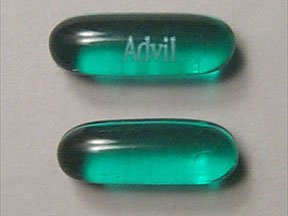
2. Ibuprofen (Advil, Motrin)
Ibuprofen is a non-steroidal anti-inflammatory drug (NSAID) that reduces both pain and inflammation. It's often more effective than acetaminophen for migraines and severe tension headaches. Standard adult dose is 200-400 mg every 4-6 hours, up to 1,200 mg in 24 hours without medical supervision. Take with food to reduce stomach irritation, and avoid if you have kidney disease, ulcers, or take blood thinners without talking to your doctor.
3. Naproxen (Aleve)
Naproxen is another NSAID with a longer half-life, meaning each dose lasts 8-12 hours. That's great for headaches that tend to linger. Standard adult dose is 220 mg every 8-12 hours (max 660 mg in 24 hours without medical supervision). Like ibuprofen, take with food and avoid if you have stomach, kidney, or heart issues.
4. Aspirin
Aspirin is an older NSAID that remains effective for migraines. At 900-1,000 mg, it's been shown in clinical trials to be nearly as effective as prescription triptans for some migraine sufferers. Because of the risk of Reye's syndrome, aspirin should never be given to children or teens with viral illnesses.
5. Excedrin Migraine (Acetaminophen + Aspirin + Caffeine)
Excedrin Migraine is the best-known OTC migraine-specific formulation. The combination of acetaminophen (250 mg), aspirin (250 mg), and caffeine (65 mg) has been FDA-approved specifically for migraine treatment. The caffeine boost helps the pain medications absorb faster and adds its own vaso-constrictive effect, which can shorten a migraine. Excedrin is often the most effective OTC option for true migraines—but because of the caffeine, don't take it late in the day.
6. Combination Products for Tension Headaches
Some OTC combination products pair acetaminophen with a mild diphenhydramine (to help you sleep off a bad headache) or with caffeine for extra potency. These can be useful tools, but read labels carefully to avoid doubling up on any single active ingredient.
Browse the full range of OTC pain relief options in our Medicine & Monitors collection.
OTC Migraine Medicine Comparison Table
Here's a quick comparison of the most common OTC options for migraine and headache relief:
| Medicine | Active Ingredient | Best For | Onset | Duration | Main Cautions |
|---|---|---|---|---|---|
| Tylenol | Acetaminophen 500 mg | Mild tension headaches, gentle on stomach | 30-60 min | 4-6 hrs | Liver (don't exceed 3,000 mg/day) |
| Advil / Motrin | Ibuprofen 200-400 mg | Moderate migraines, tension headaches | 30-45 min | 4-6 hrs | Stomach, kidneys, blood thinners |
| Aleve | Naproxen 220 mg | Long-lasting headaches | 45-60 min | 8-12 hrs | Stomach, kidneys, heart |
| Aspirin | Aspirin 325-1,000 mg | Migraines when triptans unavailable | 30-45 min | 4-6 hrs | Never in children, GI bleeding |
| Excedrin Migraine | Acetaminophen + Aspirin + Caffeine | True migraines | 20-30 min | 4-6 hrs | Caffeine sensitivity, afternoon dosing |
| Generic Combo | Acetaminophen + Diphenhydramine | Night-time tension headache | 30-45 min | 6-8 hrs | Causes drowsiness—don't drive |
Prescription Treatments for Migraines
When OTC medications aren't enough, your doctor has powerful tools to help. You don't need to wait until you're having daily migraines to ask about prescription care—many people get dramatic relief from the right prescription plan.
Acute (Abortive) Treatments
Acute treatments stop a migraine in progress. They include:
- Triptans (sumatriptan, rizatriptan, zolmitriptan): The gold standard for moderate-to-severe migraines. They work by narrowing blood vessels and reducing inflammation. Available as tablets, nasal sprays, and injectables. Most effective when taken early.
- Gepants (ubrogepant, rimegepant): A newer class of acute migraine medications that don't cause blood-vessel narrowing, making them safer for people with heart disease or stroke history.
- Ditans (lasmiditan): Another modern option that works through serotonin receptors without constricting blood vessels.
- Anti-nausea medications: For migraines with severe nausea or vomiting.
Preventive Treatments
Preventive treatments are taken daily to reduce how often migraines happen. They include beta blockers, certain antidepressants (amitriptyline), anti-seizure medications (topiramate), CGRP monoclonal antibodies (erenumab, fremanezumab, galcanezumab), and Botox injections for chronic migraine. A prescription prevention plan can take 2-3 months to reach full effectiveness, so patience is essential.
If you're having more than four migraine days a month or missing work, family events, or social activities because of headaches, ask your doctor about prevention. It's life-changing for many people.
Natural and Lifestyle Remedies for Headache Relief
Medication isn't the whole story. For most headache sufferers, lifestyle and natural remedies are a critical part of the plan. Some of the most effective non-medication interventions include:
Hydration
Mild dehydration is one of the most common headache triggers, and it's completely preventable. Aim for 8-10 cups of water a day, more if you're active or in a hot climate. If you feel a headache starting, try drinking 16 ounces of water immediately—for mild dehydration headaches, this alone can stop the pain.
Sleep Regularity
Both too little and too much sleep can trigger migraines. Aim for 7-9 hours a night at consistent times, even on weekends. Susan's "weekend migraines" disappeared once she stopped sleeping in on Saturdays. For better sleep, see our guides on melatonin for sleep and the best sleep aids for insomnia.
Cold or Warm Compresses
A cold pack on the forehead or temples can help migraines. A warm pack on the neck and shoulders often helps tension headaches. Gel packs from our Heating Pads & Comfort Wraps collection can do double duty as hot or cold therapy.
Caffeine—Both Help and Culprit
A small amount of caffeine can abort an early migraine, which is why Excedrin Migraine works. But daily heavy caffeine consumption followed by a sudden decrease (like a weekend without your usual morning coffee) is a classic trigger. If you drink caffeine, drink it consistently.
Magnesium and Riboflavin (B2)
Daily magnesium glycinate (400-500 mg) and riboflavin (400 mg) are two of the most evidence-backed preventive supplements for migraine. They take 2-3 months of consistent use to show effect. Talk to your doctor before starting, especially if you take other medications.
Acupuncture, Massage, and Physical Therapy
For tension headaches driven by muscle tightness, regular massage, professional acupuncture, or a course of physical therapy can be transformative. Many insurance plans cover physical therapy for chronic headaches with a referral.
Eye Strain Reduction
If your headaches correlate with screen time, your eyes may be a major culprit. Combine regular breaks with blue light blocking glasses and a good ergonomic setup to reduce the load on your visual system.
Essential Oils and Aromatherapy
Peppermint oil rubbed lightly on the temples and lavender oil diffused in a quiet room are two of the best-studied aromatherapy options for tension headaches. Browse our essential oils guide for more ideas.
Identifying Your Headache Triggers
Susan's turnaround started with a journal. Yours can, too. For at least 4 weeks, track the following every day:
- Any headache pain (rate 0-10) and when it started
- What you ate and drank
- How much water you drank
- How much caffeine
- How many hours you slept
- Your stress level (1-5)
- Your menstrual cycle day, if applicable
- The weather, if you're sensitive
- Any alcohol
Review the journal with your doctor. Patterns that are invisible in real time become obvious on paper. Common triggers to look for include:
- Dietary: Aged cheese, red wine, chocolate, processed meats, MSG, aspartame, caffeine withdrawal, skipped meals
- Hormonal: Menstrual cycle, menopause, oral contraceptives
- Environmental: Barometric pressure changes, strong smells, bright or flickering lights
- Behavioral: Irregular sleep, skipped meals, dehydration, physical overexertion
- Emotional: High stress, then the "letdown" after stress ends (weekend migraines)
Medication Overuse Headache: The Hidden Trap
Here's a paradox that traps many chronic headache sufferers: taking pain medication too often can cause a daily rebound headache called medication overuse headache. The rule of thumb is that taking OTC pain relievers more than 10-15 days a month, or triptans more than 9 days a month, puts you at risk.
If you're taking pain medication most days and your headaches are getting worse, talk to your doctor. The solution often involves a supervised "medication holiday" combined with the start of a preventive medication. It's uncomfortable for a few weeks, but it can completely reset your headache pattern.
When to See a Doctor About Headaches
Most headaches are benign, but some warning signs mean you shouldn't wait. See a doctor promptly for:
- New or different headache after age 50
- A "first or worst" headache of your life
- Headache with fever, stiff neck, or rash
- Headache after a head injury
- Headache that worsens with coughing, bending, or lying down
- Headache with new neurological symptoms: weakness, numbness, difficulty speaking, vision loss, confusion
- Progressive headaches that get worse over days or weeks
- Headaches that wake you from sleep
- More than 4 migraine days a month
- Needing OTC pain relievers more than 2 days a week
A thunderclap headache (severe pain peaking within seconds) is a medical emergency—call 911 or go to the ER immediately.
Tools That Help: Tracking Blood Pressure, Sleep, and Hydration
High blood pressure can cause headaches, and chronically low blood pressure can too. If you haven't recently checked, a home blood pressure monitor is a smart investment. Learn more in our guides to the best blood pressure monitors for home use and how to help low blood pressure. Sleep tracking with a simple journal or wearable can reveal patterns, and hydration apps or marked water bottles take the guesswork out of daily water goals.
Special Populations: Kids, Pregnancy, and Seniors
Children and Teens
Kids get migraines, too—up to 10% of school-age children. In kids, migraines are often shorter and may present with stomach pain or dizziness rather than classic head pain. Never give aspirin to a child or teen with a viral illness due to the risk of Reye's syndrome. Acetaminophen and ibuprofen are the safest OTC options. Always consult a pediatrician before starting a regular pain-medication routine for a child.
Pregnancy and Breastfeeding
Many medications are restricted during pregnancy. Acetaminophen at the lowest effective dose is generally the preferred choice, but even that has come under scrutiny for high-dose, long-term use. Triptans and NSAIDs have more restrictions. Always consult your OB-GYN before taking any medication during pregnancy or while breastfeeding.
Older Adults
Seniors need extra care with pain medications. NSAIDs carry higher risks of stomach bleeding, kidney injury, and heart issues in older adults. Acetaminophen is usually preferred, with lower daily maximums. A new-onset headache in someone over 50 warrants a medical workup. Browse our Medicine & Monitors collection for senior-friendly options and pill organizers.
Building Your Personal Migraine Action Plan
A written plan, agreed to in advance with your doctor, makes a huge difference in how well you handle an attack. A typical plan looks like this:
Step 1: At the First Sign
Take your chosen acute medication at the first hint of pain or aura. Drink a full glass of water. If caffeine is part of your plan, have a small cup. Move to a quiet, dim room if possible.
Step 2: Thirty Minutes In
If pain isn't improving, use your backup medication per your doctor's instructions. Apply a cold pack to the forehead or temples. Try gentle neck stretches if tension is part of the picture.
Step 3: Two Hours In
If the headache is persisting or getting worse, and you have rescue medication, take it now. Contact your doctor if the pattern is new or different from your usual.
Step 4: After the Headache
Rehydrate. Eat a nourishing meal. Sleep if you can. Log the attack in your journal, noting what worked and what didn't.
Step 5: The Next Day
Many migraines have a "postdrome" where you feel drained, foggy, or emotional for 24 hours. Be gentle with yourself. Don't schedule anything heavy. Stay hydrated.
Frequently Asked Questions About Migraine and Headache Relief
What is the best over-the-counter medicine for a migraine?
For most people, the most effective OTC option is an FDA-approved migraine combination product like Excedrin Migraine (acetaminophen, aspirin, and caffeine), or a single dose of 400-600 mg ibuprofen or 500-1,000 mg of naproxen, taken as early as possible. The key is timing—OTC medications work dramatically better when taken at the first sign of a migraine rather than once pain is severe. If OTC options aren't working, ask your doctor about prescription triptans, gepants, or ditans, which target migraine biology directly.
How do I know if I have a migraine or just a bad headache?
Migraines are distinct from ordinary headaches in several ways. They typically produce moderate-to-severe throbbing or pulsing pain, often on one side of the head; they're frequently accompanied by nausea, light sensitivity, and sound sensitivity; and they tend to worsen with physical activity. About a quarter of people also experience an aura—visual disturbances, tingling, or speech changes—before the pain starts. If your headaches force you to stop your normal activities or lie down, they're probably migraines rather than tension headaches. A doctor can confirm the diagnosis and, more importantly, tailor your treatment accordingly.
Can dehydration really cause migraines?
Yes. Mild dehydration is one of the most common headache triggers and can bring on a full migraine in people who are prone. Aim for 8-10 cups of water a day, more in hot weather or with exercise. At the first hint of a headache, drink 16 ounces of water and wait 20-30 minutes. Many mild dehydration headaches resolve with hydration alone—no medication needed.
How often can I take ibuprofen for headaches?
For occasional headaches, most adults can take 200-400 mg of ibuprofen every 4-6 hours, up to 1,200 mg in 24 hours without medical supervision. But if you find yourself taking ibuprofen or any OTC pain reliever more than 10-15 days a month, you're at risk of medication overuse headache (rebound headache). Talk to your doctor—you likely need a prevention plan rather than more pain medicine. People with kidney disease, ulcers, blood-thinning medications, or a history of heart problems should check with a doctor before regular use.
Are there natural remedies that actually work for migraines?
Several non-medication approaches have solid research behind them: daily magnesium (400-500 mg) and riboflavin/B2 (400 mg) for prevention, consistent hydration, regular sleep schedules, stress management through meditation or yoga, regular aerobic exercise, and trigger identification and avoidance. Acupuncture has evidence for tension-type headaches and some evidence for migraine. Peppermint and lavender essential oils can help with tension headaches. None of these replace medication for severe migraines, but they often reduce frequency and intensity when used consistently.
What is a medication overuse headache?
It's a daily or near-daily rebound headache caused by taking pain medication too often. Paradoxically, the more you treat, the more headaches you get. It commonly develops when OTC pain relievers are used more than 10-15 days a month, or triptans more than 9 days a month. Treatment usually involves stopping the offending medication (under medical supervision, because withdrawal headaches are common for the first 2-3 weeks) and starting a preventive medication. Once you're through it, the daily headaches typically resolve and you're left with only your underlying primary headache pattern, which is then much easier to treat.
Can high blood pressure cause headaches?
Usually only at very high levels (typically above 180/120 mmHg, which is considered a hypertensive crisis). Normal-range or mild hypertension rarely causes headaches. However, if you have headaches and haven't checked your blood pressure recently, it's worth monitoring—both for peace of mind and because addressing any underlying hypertension is important for overall health. A home blood pressure monitor makes this easy. If you get a very high reading (systolic above 180 or diastolic above 120) with a severe headache, seek emergency care.
When should I go to the ER for a headache?
Go to the ER immediately for a thunderclap headache (severe pain peaking in seconds), a headache with confusion, slurred speech, facial droop, or weakness on one side, a headache with fever and stiff neck, a headache following a head injury, a headache with significant vision loss, or any headache described as "the worst of your life." These can be signs of stroke, brain hemorrhage, meningitis, or other emergencies. For severe but typical migraines that aren't responding to your usual treatment, urgent care is usually sufficient.
Shop Migraine and Headache Relief Essentials at AllCare Store
At AllCare Store, we stock the trusted OTC brands and supportive tools you need to manage headaches and migraines with confidence. Our Medicine & Monitors collection includes pain relievers, blood pressure monitors, pill organizers, and more. Our Heating Pads & Comfort Wraps collection offers hot and cold therapy to pair with your medication plan. For topical options, check out our Topicaine topical pain relief gel.
Every order at AllCare Store ships with:
- Free shipping on qualifying orders
- Discreet packaging for your privacy
- 30-day returns for worry-free shopping
- Live phone support at 1-888-889-6260—talk to a real person who can help
Have a question about which OTC medication is right for you? Wondering if you need a home blood pressure monitor? Not sure how to choose a heating pad? Call us. We've helped thousands of families navigate these decisions, and we'd be honored to help you, too. You can also start browsing at our homepage or read our other guides on the AllCare Store blog.
Your Weekends Don't Have to Be Ruled by Pain
Like Susan, you can reclaim your life from migraines and headaches. It takes a combination of the right medication, the right habits, the right tools, and, sometimes, the right doctor. It takes tracking. It takes patience. And it takes a willingness to treat your pain as a signal worth listening to—not something to just push through.
If you take only one thing from this guide, make it this: don't wait. Treat early. Hydrate. Log your triggers. Talk to your doctor about prevention if headaches are stealing more than a couple of days a month. You deserve full weekends, full dinners with family, and full presence at the moments that matter. AllCare Store is here to help you get there.
Medical Disclaimer: This article is for informational purposes only and does not constitute medical advice. Individuals at high risk for pressure injuries should consult a physician, occupational therapist, or certified rehabilitation engineer before selecting a wheelchair cushion.