Margaret's Story: A Brighter Smile After 60
Margaret sat in her dentist's waiting room, stealing glances at the younger women in the magazine ads with their perfectly white smiles. At 68, she'd grown used to the idea that her teeth would never be as bright as they once were. Years of morning coffee, red wine with dinner, and simply living life had left their mark. Her smile had become something she covered with her hand, even in family photos with her grandchildren.
"Why bother at my age?" she'd told herself more than once. But deep down, Margaret missed feeling confident. She missed the days when her smile was her best feature. When her granddaughter invited her to be in the wedding photos, something shifted. Margaret wanted to feel beautiful again—not for anyone else, but for herself.
What Margaret didn't know was that 2026 has brought tremendous advances in senior-friendly teeth whitening. She wasn't too old. Her teeth weren't beyond help. She just needed the right approach, the right products, and the right information. And that's exactly what this guide is about.
Why Teeth Whitening Matters for Seniors
Let's be honest: teeth don't stay white forever. As we age, the outer layer of our teeth—the enamel—naturally thins. This exposes the yellowish dentin beneath, which is why teeth naturally yellow with time. Add in decades of coffee, tea, red wine, and other staining foods, and it's completely normal for senior teeth to look dull.
But here's the good news: teeth whitening isn't just for the young. In fact, seniors are one of the fastest-growing demographics seeking whitening treatments. Why? Because a brighter smile is directly connected to confidence, social engagement, and overall quality of life.
Research shows that people who feel good about their smiles are more likely to:
- Smile and laugh more often
- Feel more confident in social situations
- Maintain better oral hygiene
- Experience improved self-esteem
- Feel younger and more vibrant
Your smile is one of the first things people notice about you. At any age, you deserve to feel proud of it.
Understanding Why Senior Teeth Get Discolored
Before we talk about solutions, let's understand the problem. Senior tooth discoloration comes from two main sources: intrinsic and extrinsic stains.
Extrinsic Stains (Surface Stains)
These are caused by external factors and are often the easiest to address. Common culprits include:
- Beverages: Coffee, tea, red wine, and dark sodas are notorious for staining teeth
- Foods: Berries, tomato sauce, and curry can leave lasting marks
- Tobacco: Smoking and chewing tobacco cause significant yellowing
- Poor oral hygiene: Plaque and tartar buildup creates discoloration
Intrinsic Stains (Internal Discoloration)
These occur inside the tooth structure and are more challenging to treat:
- Natural aging: The enamel thins, revealing more yellow dentin
- Medications: Some antibiotics and blood pressure medications can cause staining
- Illness: Conditions affecting tooth development can cause discoloration
- Excessive fluoride: During childhood, overuse can cause fluorosis
Teeth Whitening Options for Seniors: A Complete Breakdown
Professional Dental Whitening
Professional whitening performed by your dentist is the most effective option and often the safest for seniors with special considerations.
Pros:
- Fastest results (often noticeable after one treatment)
- Highest concentration of whitening agents
- Dentist monitors for sensitivity and complications
- Customized for individual teeth and gum health
- Lasts longer than at-home treatments (6-12 months)
Cons:
- Most expensive option ($500-$1,500)
- Requires office visit(s)
- Not ideal for those with gum recession or very sensitive teeth
Custom Tray Systems from Your Dentist
Your dentist can create custom trays fitted to your exact teeth. You fill them with professional-strength whitening gel at home.
Pros:
- Better fit than one-size-fits-all trays (less gel touches sensitive gums)
- Professional-strength gel
- More affordable than in-office treatments ($300-$800)
- Gradual whitening reduces sensitivity issues
Cons:
Over-the-Counter Whitening Strips
Whitening strips are a popular choice for seniors who want convenience and affordability.
Pros:
- Affordable ($20-$50)
- Easy to use at home
- No dentist appointment needed
- Results visible in days
- Wide variety of brands and strengths available
Cons:
- Lower concentration of whitening agents
- Less effective on intrinsic stains
- Can cause sensitivity if overused
- Results don't last as long (3-6 months)
- Uneven results possible
Whitening Toothpastes
A gentler option, whitening toothpastes can help maintain brightness from other treatments or provide mild whitening on their own.
Pros:
- Gentlest option available
- Affordable ($5-$15)
- No special application needed
- Good for sensitive teeth
- Helps maintain results from other treatments
Cons:
- Slowest results (weeks to months)
- Limited whitening power
- Only addresses surface stains
- Some abrasive formulas can damage enamel over time
Natural Whitening Methods
For seniors preferring a more natural approach, several methods can help:
Oil Pulling: Swishing coconut oil for 10-15 minutes daily may help remove surface stains, though scientific evidence is limited.
Baking Soda: A gentle abrasive that can help remove surface stains. Mix with water to form a paste. Use no more than 2-3 times weekly to avoid enamel damage. Natural toothpaste options often use baking soda safely formulated.
Activated Charcoal: While trendy, use with caution. It can be abrasive and isn't recommended for regular use on aging teeth.
Whitening Mouthwash: Convenient for daily use, though with mild whitening effects.

Comparing Whitening Methods: Which Is Right for You?
| Method | Cost | Speed | Sensitivity Risk | Best For |
|---|---|---|---|---|
| Professional In-Office | $$$ | 1-2 visits | Low | Dramatic results quickly |
| Custom Dental Trays | $$ | 2-3 weeks | Low-Medium | Sensitive teeth, long-term use |
| Whitening Strips | $ | 3-7 days | Medium | Budget-conscious, convenience |
| Whitening Toothpaste | $ | Weeks | Very Low | Maintenance, sensitive teeth |
| Natural Methods | $ | Months | Low-Medium | Gentle, natural preference |
Managing Tooth Sensitivity During Whitening
The number one concern seniors express about whitening is sensitivity. The good news: it's manageable with the right approach.
Why Whitening Causes Sensitivity
Whitening agents work by opening microscopic pores in your tooth enamel. If your enamel is thin (common in seniors) or your gums have receded, this can expose the dentin, which contains nerve endings. When the whitening gel reaches the dentin, it can cause discomfort.
How to Minimize Sensitivity
- Use a desensitizing toothpaste for 2-3 weeks before whitening: Look for products designed for sensitivity
- Shorten whitening application time: Use strips for 30 minutes instead of the recommended hour
- Space out treatments: Skip days between applications to allow teeth to recover
- Avoid acidic foods during whitening: Citrus, wine, and vinegar soften enamel temporarily
- Brush gently: Never brush vigorously, especially not immediately after whitening
- Use a soft-bristled toothbrush: Hard bristles can damage aging teeth
- Consider a fluoride gel after treatment: Ask your dentist about this protective step
- Take breaks between treatments: Don't whiten continuously; allow 6-month intervals
If sensitivity persists beyond a few days after stopping treatment, consult your dentist. You may have gum recession or cavities that need treatment before whitening.
Special Considerations for Senior Teeth
Gum Recession
Many seniors experience gum recession. Where the gum line recedes, the tooth root becomes exposed. The root isn't protected by enamel and is much more sensitive. Whitening should be avoided on exposed roots, or done very gently. Proper gum care is essential for maintaining healthy tooth support.
Thin Enamel
Enamel naturally thins with age. Use gentler whitening methods and avoid excessive or prolonged treatments. Whitening toothpaste used twice daily is often sufficient.
Existing Dental Work
Whitening doesn't work on crowns, veneers, or fillings. If you have significant dental work, expect uneven results. Discuss with your dentist about which teeth can be whitened.
Medications
Some medications increase sensitivity or cause staining that's harder to treat. Always mention your medication list to your dentist before whitening.
Dry Mouth
Dry mouth, common in seniors taking certain medications, reduces saliva flow. Saliva is crucial for protecting teeth. If you have dry mouth, consult your dentist before whitening, and maintain excellent oral hygiene during treatment.
The AllCare Store Approach to Senior Oral Care
At AllCare Store, we understand that seniors need products specifically suited to their unique needs. Our oral care collection is carefully curated with seniors in mind.
Why Choose AllCare Store?
- Free Shipping: No minimum purchase. Convenient, especially if mobility is limited
- Discreet Packaging: Your oral care products arrive in plain, unmarked packaging
- 30-Day Returns: If a product doesn't work for you, return it within 30 days for a full refund—no questions asked
- Senior-Friendly Selection: We carry products specifically formulated for mature teeth and gums
- Expert Guidance: Call our team at 1-888-889-6260 with questions before purchasing
Recommended AllCare Store Products for Whitening
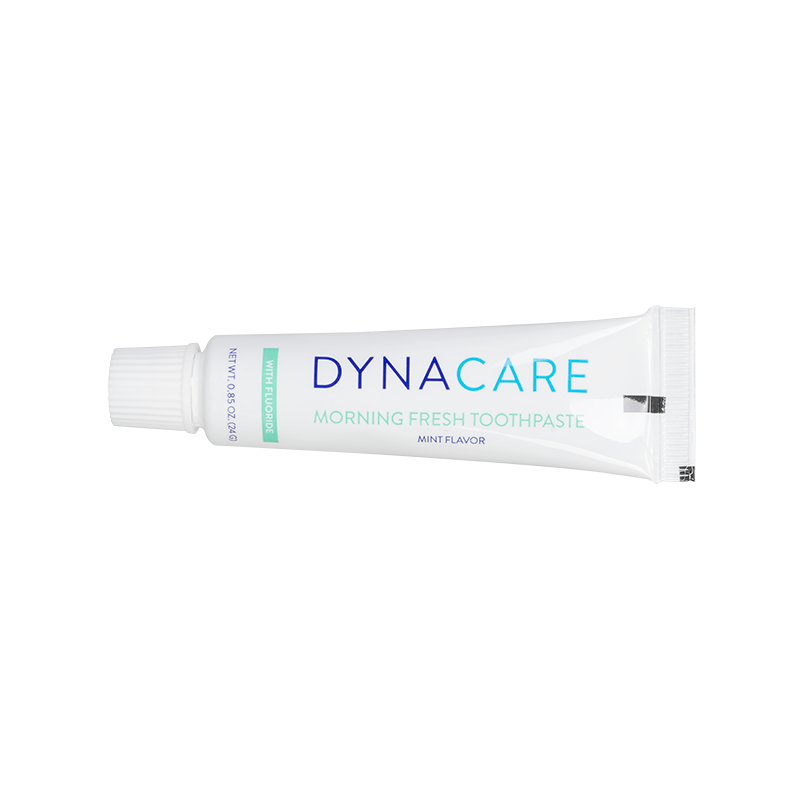
Dynarex Toothpaste is a gentle but effective option for seniors. Its formula is designed for daily use without damaging aging teeth. Many customers report gradual but noticeable whitening when used consistently.
For a more comprehensive approach, pair it with Colgate Cavity Protection Toothpaste, which combines whitening benefits with cavity prevention—important as cavities become more common in seniors due to dry mouth and root exposure.
If you prefer natural ingredients, Zion Health's CLayBrite Natural Toothpaste offers natural whitening properties through bentonite clay while being gentle enough for sensitive teeth.

Daily Habits That Keep Teeth Bright
Whether you choose whitening or not, maintaining brightness requires consistent daily habits:
Proper Brushing Technique
- Brush twice daily for two minutes (use a timer if needed)
- Use a soft-bristled toothbrush
- Hold the brush at a 45-degree angle to gum line
- Use gentle circular motions, not harsh scrubbing
- Don't forget the back surfaces and gum line
- Replace toothbrush every 3 months
Flossing Daily
Flossing removes plaque buildup between teeth that brushing can't reach. This plaque can cause yellowing and gum disease.
Dietary Choices
- Limit coffee, tea, red wine, and dark sodas
- If you consume staining beverages, use a straw
- Avoid tobacco completely
- Eat crunchy vegetables like apples and carrots to help clean teeth naturally
- Rinse your mouth with water after meals
Regular Dental Checkups
Visit your dentist every six months. Professional cleanings remove tartar buildup that causes yellowing, and your dentist can identify any issues early.
Understanding Age-Related Tooth Discoloration: The Science Behind It
As we age, our teeth naturally undergo changes that affect their color and brightness. Understanding these changes is the first step toward addressing them safely and effectively. The outer layer of your teeth — the enamel — gradually thins over decades of use. This is a natural process, but it means that the yellowish dentin underneath becomes more visible, giving teeth a darker, more yellow appearance.
Additionally, a lifetime of consuming staining foods and beverages — coffee, tea, red wine, berries, and tomato-based sauces — leaves behind pigments that penetrate the enamel over time. Tobacco use, whether smoking or chewing, is one of the most significant contributors to severe tooth discoloration in older adults. Even certain medications commonly prescribed to seniors, such as some blood pressure medications, antihistamines, and antibiotics like tetracycline, can cause intrinsic staining that affects the tooth from within.
The good news is that many of these stains can be addressed with the right approach. Surface stains (extrinsic staining) respond well to whitening toothpastes and gentle bleaching treatments. Deeper stains (intrinsic staining) may require professional treatments but can still be significantly improved. The key for seniors is choosing methods that work effectively without compromising the health of aging teeth and gums.
The Role of Saliva in Tooth Color
One factor many seniors overlook is the role of saliva in maintaining tooth brightness. Saliva naturally washes away food particles and bacteria, and contains minerals that help remineralize enamel. Many older adults experience dry mouth (xerostomia) as a side effect of medications — and this reduced saliva flow can accelerate staining and discoloration. If you're experiencing dry mouth, addressing this issue can actually help maintain whitening results longer. Ask your dentist about saliva-stimulating products and stay well-hydrated throughout the day.
Daily Habits That Keep Your Smile Bright
The Two-Minute Rule
Brushing twice daily for at least two minutes is non-negotiable for maintaining a bright smile. Many people rush through brushing in 30-45 seconds, which isn't enough time to effectively remove surface stains and plaque. Use a timer or an electric toothbrush with a built-in timer to ensure you're brushing long enough. Focus on all surfaces — front, back, and chewing surfaces — using gentle circular motions rather than aggressive horizontal scrubbing, which can damage enamel.
The Straw Strategy
When drinking coffee, tea, or other staining beverages, using a straw can significantly reduce contact between the liquid and your front teeth. While it may feel unusual at first, this simple habit can make a noticeable difference in preventing new stains. Additionally, rinsing your mouth with water immediately after consuming staining foods or drinks helps wash away pigments before they can settle into your enamel.
Strategic Snacking
Certain foods actually help clean your teeth naturally. Crunchy fruits and vegetables like apples, celery, and carrots act as natural scrubbers, gently removing surface stains as you chew. Cheese and dairy products contain calcium and casein, which help strengthen enamel and protect against staining. Strawberries contain malic acid, a natural astringent that can help remove surface discoloration — though eating them alone won't replace proper whitening treatments.
When to Consult Your Dentist About Whitening
While many whitening approaches are safe for at-home use, seniors should consult their dentist before starting any whitening regimen if they have any of the following conditions: active gum disease or gingivitis, significant tooth sensitivity, exposed tooth roots from gum recession, dental restorations like crowns, veneers, or bonding (these don't respond to whitening agents), cavities or other untreated dental problems, or a history of allergic reactions to peroxide-based products.
Your dentist can evaluate your oral health, identify any concerns that need to be addressed first, and recommend the safest and most effective whitening approach for your specific situation. Many dental offices offer professional whitening treatments that use higher concentrations of bleaching agents under controlled conditions, which can produce more dramatic results than over-the-counter products.
For seniors looking for comprehensive dental care products, AllCare Store's oral care collection offers everything from gentle toothpastes to water flossers and oral rinses that support your overall dental health routine.
Frequently Asked Questions About Teeth Whitening for Seniors
Q: Am I too old for teeth whitening?
A: Absolutely not. Age is not a barrier to whitening. In fact, many seniors successfully whiten their teeth with the right approach. The key is choosing methods suited to your tooth structure and any sensitivities you have.
Q: How long do teeth whitening results last?
A: This depends on the method and your habits. Professional treatments typically last 6-12 months. At-home strips and toothpastes last 3-6 months. Results fade when teeth are exposed to staining foods and beverages again.
Q: Is teeth whitening safe?
A: When done properly, teeth whitening is safe. However, overuse can damage enamel. Follow product instructions carefully, and if sensitivity persists, stop and consult your dentist.
Q: Why doesn't whitening work on my crowns and fillings?
A: Whitening agents only affect natural tooth structure. Crowns, veneers, and fillings don't whiten. If you have extensive dental work, you may need to replace it after whitening to match your newly whitened teeth. Discuss this with your dentist.
Q: Can I whiten my teeth if I have gum disease?
A: You should treat gum disease first. Whitening can increase sensitivity with inflamed gums. Once your gum health is restored, whitening is safer and more comfortable.
Q: What's the fastest way to whiten teeth?
A: Professional in-office whitening provides the fastest results—often dramatic changes after just one treatment. However, at-home methods work well too if you're willing to wait 1-3 weeks.
Q: Are whitening strips effective for stubborn stains?
A: Whitening strips work well for surface stains but are less effective on deep, intrinsic discoloration. If you have very stubborn stains, professional treatments or custom trays from a dentist are more effective.
Q: Can I use whitening products if I have sensitive teeth?
A: Yes, but carefully. Desensitizing toothpaste helps. Use gentler methods like whitening toothpaste or custom trays at reduced strength. Avoid over-the-counter strips if your sensitivity is severe, or use them for shorter periods.
Q: What should I avoid while whitening my teeth?
A: During active whitening treatment, avoid very hot or cold foods, acidic foods, and dark staining foods. Don't smoke, drink wine or coffee, or use dark sodas. Wait at least 30 minutes after whitening before eating.
Q: How often can I safely whiten my teeth?
A: Professional whitening can be done every 6-12 months. At-home treatments should be spaced out—don't whiten continuously. Most dentists recommend at least a few weeks between courses of at-home whitening.
Margaret's Transformation: A Happy Ending
Three weeks after choosing her whitening method, Margaret looked in the mirror and smiled—really smiled, not the covered-mouth smile of before. Her teeth were noticeably brighter. Not unnaturally white, but genuinely brighter. She felt the difference, and her family noticed it too.
At her granddaughter's wedding, Margaret's smile in the photos was radiant. Not because her teeth were perfect, but because they reflected her confidence and joy. She'd regained something she thought was gone forever: the pleasure of smiling without hesitation.
The whitening journey didn't just brighten her teeth. It reminded Margaret that age isn't about giving up on yourself. It's about finding what works for you at this stage of your life. And for Margaret, that meant rediscovering the power of her smile.
Taking Action: Your Next Steps
Whether you choose professional whitening, at-home strips, or gentle whitening toothpaste, the first step is deciding to prioritize your smile. Here's what we recommend:
- Schedule a dental checkup: Your dentist can assess your teeth and gums, recommend the best whitening method for you, and identify any issues that need treatment first.
- Start with sensitivity management: If you have sensitive teeth, begin using desensitizing products 2-3 weeks before whitening.
- Choose your method: Based on your dentist's recommendation and your preferences, select from the options we've discussed.
- Gather supplies: Stock up on products from AllCare Store's personal care collection. We offer free shipping and a 30-day guarantee, so there's no risk in trying the products that work best for you.
- Establish daily habits: Commit to proper brushing, flossing, and dietary choices that maintain brightness.
- Be patient: Whether results come in days or weeks, you'll see progress. Stick with it.
Your smile is worth the investment, at any age. Contact our team at 1-888-889-6260 if you have questions about which products are right for you. We're here to help you achieve the bright, confident smile you deserve.
AllCare Store's Commitment to You
We understand that oral care is personal, and what works for one person might not work for another. That's why we offer:
- Free Shipping: On all orders, no minimum purchase necessary
- Discreet Packaging: Your products arrive in plain packaging for privacy
- 30-Day Returns: If you're not satisfied, return products within 30 days for a full refund
- Expert Support: Call 1-888-889-6260 with any questions before or after your purchase
- Curated Selection: All products in our oral care collection are chosen with seniors in mind
Visit AllCare Store today to browse our complete selection of whitening products and oral care solutions. Let's brighten your smile together.
Final Thoughts
A bright smile at 60, 70, or 80 is absolutely achievable. It's not about vanity—it's about feeling good about yourself, feeling confident in social situations, and knowing that you're taking care of your health. The fact that you're reading this article shows you're ready to take that step. We're excited to be part of your whitening journey.
Your smile has told a lifetime of stories—of laughter, love, and resilience. It deserves to shine. Let AllCare Store help you make that happen.