This article is for informational purposes only. Consult your dentist or healthcare provider for personalized advice. Persistent or severe tooth pain warrants prompt evaluation.
Catherine's Cup of Iced Tea
Catherine, 60, sat down on the patio after weeding her tomatoes, poured herself a tall glass of iced tea, and took a long, satisfying sip. A jolt of sharp electric pain shot through her upper right molars. She winced. Set the glass down. Tried again, on the left side. Same thing. She had been able to drink iced tea three weeks ago. What had changed?
Nothing dramatic. She'd switched to a new whitening toothpaste. She'd been brushing more aggressively because her dentist had mentioned a little plaque buildup at her last cleaning. She'd also been more stressed at work and had noticed her jaw was tight when she woke up. Three small things had quietly stacked up — and now her teeth couldn't tolerate cold.
She switched to a sensitivity toothpaste, eased up on her brushing pressure, and bought a soft night guard. Within four weeks, the iced tea was back on the menu. Within eight, she'd nearly forgotten how bad it had been.
Tooth sensitivity is one of the most common — and most fixable — dental complaints. An estimated 1 in 8 American adults has at least one sensitive tooth. The good news: most sensitivity responds beautifully to a few simple changes at home, and modern sensitivity toothpastes work well when used correctly. This guide covers what's actually happening inside your teeth, what causes sensitivity, the best products in 2026, when to see a dentist, and the daily habits that quietly protect or quietly damage your enamel.
What Tooth Sensitivity Actually Is
Each tooth has three layers. The outer layer is enamel — the hardest tissue in your body, and a great insulator. Below that is dentin — softer, full of microscopic tubules that lead directly to the inner pulp where the nerve lives. Below that is the pulp.
Tooth sensitivity (formally: dentin hypersensitivity) happens when something exposes the dentin to the outside world. Once dentin is exposed — by a cracked tooth, gum recession, eroded enamel, or worn-down chewing surfaces — outside stimuli (cold, heat, sugar, acid, even cold air) can travel through those tubules and reach the nerve directly. The result: a sharp, shooting pain that lasts seconds and then fades.
Sensitivity is different from a true toothache (deep, throbbing, lasting minutes to hours, often associated with infection or significant decay). Sensitivity is brief, sharp, triggered by a specific stimulus, and resolves quickly when the stimulus is removed.
Common Causes of Sensitivity
1. Gum Recession
The most common cause. As gums pull back from teeth, they expose root surfaces — which are NOT covered by enamel. Roots are far more sensitive than crowns. Gum recession is caused by aging, aggressive brushing, gum disease, grinding, and genetics.
2. Aggressive Brushing
Hard-bristled toothbrushes plus heavy pressure plus a back-and-forth scrubbing motion can wear away enamel and recede gums. People who brush hardest often have the most sensitivity. The right pressure is gentle — about the same as you'd use to brush your skin.
3. Whitening Treatments
Whitening strips, whitening toothpastes, and professional whitening all temporarily increase sensitivity in many users. The peroxide ingredients open the dentinal tubules. Most sensitivity from whitening resolves 1–2 weeks after stopping. See our teeth whitening guide for safer protocols.
4. Acid Erosion
Frequent consumption of acidic foods and drinks (citrus, soda, sparkling water, wine, sports drinks, coffee) wears enamel over time. Acid reflux disease (GERD) does the same from the inside. See our heartburn relief guide for managing GERD.
5. Teeth Grinding (Bruxism)
Nighttime grinding wears down chewing surfaces, exposing dentin and creating cracks where sensitivity develops. People often don't know they grind until a partner mentions it or a dentist sees the wear pattern.
6. Cracked Teeth
Even microscopic cracks can let cold or sweet stimuli reach the nerve. Sensitivity that occurs only with biting pressure, especially with a specific tooth, often indicates a crack.
7. Recent Dental Work
New fillings, crowns, or cleanings can cause temporary sensitivity for 2–6 weeks. This is normal and usually resolves on its own.
8. Tooth Decay (Cavities)
Active decay creates pathways for stimuli to reach the nerve. New, persistent sensitivity in a specific tooth warrants a dental check.
How Sensitivity Toothpastes Actually Work
Modern sensitivity toothpastes work via two main mechanisms:
Mechanism 1: Nerve Desensitization (Potassium Nitrate)
Potassium ions penetrate into the dentinal tubules and reduce the firing rate of the tooth's nerve. Effective but takes 2–4 weeks of consistent use to fully work. The active ingredient in original Sensodyne and many generics.
Mechanism 2: Tubule Blocking (Stannous Fluoride or Arginine + Calcium)
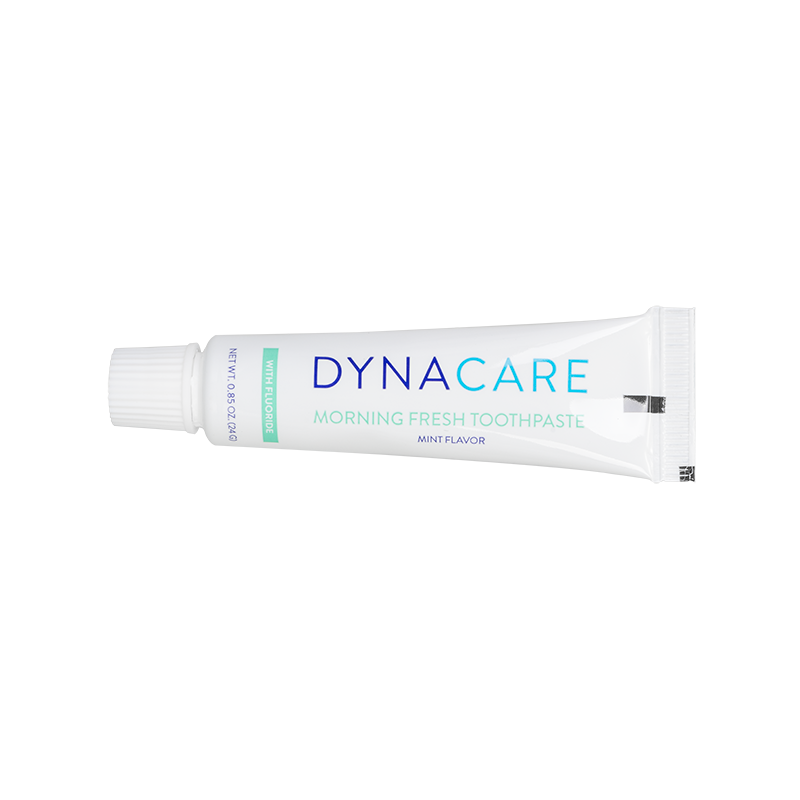
Forms a physical barrier in the dentinal tubules, stopping stimuli from reaching the nerve. Works faster than potassium nitrate (often within days) and adds anti-cavity benefits. Found in newer Sensodyne formulations (Rapid Relief), Crest Gum and Sensitivity, and Colgate Sensitive Pro-Relief.
How to Use Sensitivity Toothpaste Correctly
- Brush twice daily with the toothpaste (don't switch back and forth with regular toothpaste — consistency matters)
- Use a soft-bristled toothbrush with gentle pressure
- After brushing, spit but DON'T rinse with water. Let the active ingredients sit on your teeth.
- For acute sensitivity, dab a small amount directly on the sensitive tooth and let it sit for a few minutes before rinsing
- Be patient. Potassium nitrate formulas need 2–4 weeks. Tubule-blocking formulas often work within 3–7 days.
Best Sensitivity Toothpaste Categories in 2026
| Category | Active Ingredient | Best For | Speed | Notes |
|---|---|---|---|---|
| Classic Sensitivity | 5% Potassium Nitrate | General sensitivity, daily use | 2–4 weeks | Original Sensodyne, generics |
| Rapid Relief | Stannous Fluoride | Faster relief, anti-cavity | 3–7 days | Sensodyne Rapid Relief, Crest Gum & Sensitivity |
| Tubule-Blocking | Arginine + Calcium Carbonate | Severe or instant relief | Immediate (with finger application) | Colgate Sensitive Pro-Relief |
| Whitening + Sensitivity | Potassium Nitrate + mild abrasive | Sensitivity sufferers wanting whitening | 2–4 weeks | Avoid if very sensitive — even mild abrasives can flare |
| Natural / Fluoride-Free | Hydroxyapatite | People avoiding fluoride | 2–6 weeks | Less proven but growing evidence base |
The Daily Habits That Help
1. Switch to a Soft or Extra-Soft Toothbrush
Hard bristles are almost never appropriate for adult use. Soft bristles clean just as effectively without abrading enamel or gums. Electric toothbrushes with pressure sensors are particularly helpful for heavy-handed brushers.
2. Brush With Gentle Pressure
If your bristles fan out within 6–8 weeks, you're brushing too hard. Hold the brush like a pencil rather than a fist. Move in small circular motions, not back-and-forth scrubbing.
3. Wait After Acidic Foods
Acid temporarily softens enamel. Brushing right after orange juice, coffee, soda, or wine actually wears enamel faster. Wait 30 minutes after acidic foods before brushing. Drink water to neutralize acid in the meantime.
4. Drink Acidic Drinks Through a Straw
Bypasses tooth contact. A simple change with surprising long-term enamel benefits.
5. Use Fluoride Mouthwash
A daily fluoride rinse (like ACT) helps remineralize enamel. Use at a different time than brushing.
6. Floss Daily
Gum disease drives recession, which drives sensitivity. Daily flossing prevents both. Water flossers are an excellent alternative for people who struggle with traditional floss.
7. Address Grinding
If you wake with jaw soreness or your dentist sees wear patterns, get a night guard. Custom guards from a dentist work best; OTC boil-and-bite guards are a useful starting point. Untreated grinding causes 10x the dental damage of normal use.
8. Limit Whitening Products
If you have sensitive teeth, take whitening breaks. Once a week instead of daily. Skip strips entirely if they trigger pain.
9. Stay Hydrated and Manage Dry Mouth
Saliva is your enamel's best friend — it neutralizes acid and remineralizes. Dry mouth (caused by aging, medications, mouth breathing) accelerates sensitivity. Drink water throughout the day, chew sugar-free gum, and talk to your dentist about prescription saliva substitutes if needed.
Home Remedies That Actually Work
- Saltwater rinse: ½ teaspoon salt in 1 cup warm water, swish for 30 seconds. Anti-inflammatory and balances mouth pH. Use 1–2x daily.
- Clove oil: A drop of food-grade clove oil on a cotton swab applied to a sensitive tooth provides natural numbing relief. Don't swallow.
- Green tea rinse: Cooled green tea rinses provide mild antibacterial and remineralizing benefits.
- Calcium-rich foods: Cheese, milk, yogurt, leafy greens. Calcium intake supports enamel health.
- Sugar-free gum with xylitol: Stimulates saliva and inhibits cavity-causing bacteria.
Home Remedies That DON'T Work (And Can Make It Worse)
- Baking soda paste: Abrasive. Wears enamel further.
- Hydrogen peroxide rinses: Can worsen sensitivity from the same mechanism that causes whitening sensitivity.
- Charcoal toothpaste: Highly abrasive. Documented to wear enamel.
- "DIY" remineralizing toothpastes: Without proven mineral content, they may do more harm than good.
- Lemon water: Marketed as healthy; in reality, the citric acid is one of the most aggressive enamel erosion sources.
When to See a Dentist
Most sensitivity responds to home care within 2–6 weeks. See a dentist if:
- Sensitivity is severe or sudden in onset
- It's localized to one specific tooth (could indicate a crack or cavity)
- You have pain when biting (suggests crack or filling problem)
- Pain lingers more than 30 seconds after stimulus removed
- You have visible damage, swelling, or discoloration
- You haven't seen a dentist in over a year
- Home treatments haven't helped after 6–8 weeks
Professional treatments your dentist may offer:
- In-office fluoride varnish or remineralizing gel
- Bonding agents that seal exposed root surfaces
- Composite restorations over worn or eroded areas
- Crowns for severely worn teeth
- Gum graft surgery for severe recession (rare)
- Root canal therapy if the nerve is irreversibly inflamed (very rare for routine sensitivity)
Sensitivity at Different Life Stages
Younger Adults (20s–40s)
Often caused by acidic diet, sports drinks, whitening, or aggressive brushing. Rarely from gum recession. Address dietary triggers and brushing habits first.
Middle Age (40s–60s)
Gum recession becomes more common. Whitening sensitivity is frequent. Grinding from stress is common. Mix of strategies usually needed.
Seniors (65+)
Gum recession is nearly universal. Dry mouth from medications becomes a major contributor. Old fillings may begin failing. Regular dental visits become more important; many sensitivity issues in seniors are signs of underlying problems best caught early. See our senior dental care guides for related information.
Building a Sensitivity-Smart Daily Routine
Here's a simple, complete routine for someone with sensitive teeth:
- Morning: Brush 2 minutes with sensitivity toothpaste, soft brush, gentle pressure. Spit, don't rinse. Floss or water-floss.
- After acidic drinks/snacks: Rinse mouth with plain water. Wait 30 minutes before brushing.
- Evening: Brush again with sensitivity toothpaste. Use fluoride mouthwash. Wear night guard if you grind.
- Throughout the day: Drink water often, chew sugar-free gum after meals, drink acidic beverages through a straw.
- Every 6 months: Dental cleaning and exam.
Mouth pH and Why It Matters
One of the most overlooked factors in tooth sensitivity is the pH of your mouth throughout the day. Enamel begins to demineralize when oral pH drops below 5.5. Below 4.5, demineralization accelerates rapidly. Common foods and drinks have pH values that may surprise you:
| Beverage/Food | Approximate pH | Enamel Risk |
|---|---|---|
| Lemon juice | 2.0–2.6 | Very High |
| Cola (regular and diet) | 2.5 | Very High |
| Sports drinks | 2.5–3.5 | High |
| Energy drinks | 2.5–3.5 | High |
| Wine (white & red) | 3.0–3.8 | High |
| Orange juice | 3.5–4.0 | High |
| Coffee (black) | 4.5–5.0 | Moderate |
| Tomato juice | 4.0–4.4 | Moderate |
| Beer | 4.0–4.5 | Moderate |
| Sparkling water (plain) | 5.0–5.5 | Low |
| Milk | 6.4–6.8 | Safe |
| Plain water | 7.0 | Safe |
Strategies to manage oral pH:
- Use a straw for acidic drinks (bypasses tooth contact)
- Rinse mouth with water after acidic foods
- End meals with a piece of cheese or a glass of milk (raises pH)
- Chew sugar-free xylitol gum (stimulates saliva, which neutralizes acid)
- Wait 30+ minutes after acidic foods before brushing (acid softens enamel temporarily)
- Limit grazing on acidic snacks throughout the day; instead, consume them at meal times
The Specific Mechanics of Aggressive Brushing
Aggressive brushing causes more enamel loss than almost any other behavior — yet it's the easiest to fix. Here's what's happening at the microscopic level.
Healthy enamel is harder than steel and more resistant to wear than almost any natural tissue. But enamel + acid + abrasive bristle pressure = significant loss. When you eat or drink something acidic, the surface enamel softens for about 20–30 minutes before saliva remineralizes it. Brushing during this window — even gently — can wear away that softened layer faster than it remineralizes. Over years, the cumulative loss is substantial.
Even without acid, brushing too hard, with hard bristles, in back-and-forth scrubbing motions, gradually wears the enamel near the gumline. This produces the characteristic "notch" or wedge-shaped lesion that dentists call abfraction or abrasion — and these areas are intensely sensitive because they expose dentin.
The fix isn't complicated:
- Wait 30 minutes after acidic foods before brushing
- Use a soft or extra-soft brush only
- Hold the brush like a pencil, not a fist
- Use small circular motions, not back-and-forth scrubbing
- Let the brush do the work — gentle pressure
- Consider an electric brush with a built-in pressure sensor
- Replace your brush every 3 months or when bristles fray
Sensitivity Triggers and How to Manage Each One
Cold Foods and Drinks
The most common trigger. Use a sensitivity toothpaste daily, drink cold beverages through a straw, and avoid extreme temperature changes (don't go from hot soup to ice water). Hold cold food in the front of the mouth briefly before chewing — let saliva warm it slightly.
Hot Foods and Drinks
Less common than cold sensitivity, but suggests deeper involvement (closer to the nerve). If hot triggers severe pain, see a dentist — this can indicate an irreversible pulpitis needing root canal evaluation.
Sweet Foods
Sugar can trigger a sharp pain in sensitive teeth. Often signals that dentin is exposed. Sensitivity toothpaste typically helps; severe or persistent sweet sensitivity in a specific tooth may indicate a cavity.
Sour and Acidic Foods
The acid both demineralizes enamel and triggers exposed dentin. Manage by limiting frequency and rinsing with water afterward.
Pressure (Biting and Chewing)
If pain occurs only when biting on a specific tooth, it usually indicates a crack or cracked filling. See a dentist promptly — cracks can worsen quickly.
Cold Air
Common in winter or with deep breathing. Breathe through your nose when outdoors in cold weather. Sensitivity toothpaste reduces this trigger over time.
Cold Water Brushing
Try lukewarm water instead. The temperature alone can trigger pain in highly sensitive teeth.
Restoring Confidence: A Complete Sensitivity-Smart Day
For someone with chronic sensitivity, here's how a thoughtful day looks:
- 6 AM Morning: Brush 2 minutes with stannous fluoride sensitivity toothpaste, soft brush. Spit, don't rinse.
- 7 AM Breakfast: Coffee at room temperature or with a straw. Eat protein and dairy. Skip orange juice or drink it through a straw.
- 10 AM Snack: Cheese stick, plain almonds, or a piece of fruit (lower-acid: banana, melon). Rinse with water afterward.
- 12 PM Lunch: Balanced meal. End with water or unsweetened tea (let it cool).
- 3 PM Snack: Sugar-free xylitol gum. Boosts saliva. Reduces sensitivity for hours.
- 6 PM Dinner: Avoid extreme temperatures. End with a glass of milk or piece of cheese to raise oral pH.
- 9 PM Evening: Brush again with sensitivity toothpaste. Use ACT or other fluoride mouthwash. Wear night guard if you grind.
What Your Dentist Wishes You Knew
Most dental professionals say the same things about sensitivity, year after year. The advice doesn't change because it works. A short list of the consistent reminders we hear from working hygienists and dentists:
- Two minutes, twice a day. Most people brush for less than 60 seconds total. A 2-minute timer (built into electric brushes, or just a smartphone) doubles the cleaning effectiveness without doubling the wear.
- Floss before, not after. Flossing first loosens debris between teeth so the toothbrush and toothpaste can reach more surfaces. The order matters more than people think.
- Don't share toothpaste tubes with kids. Some adult sensitivity formulas contain higher fluoride or stannous fluoride concentrations that aren't appropriate for young children.
- Replace your toothbrush after illness. Bacteria and viruses can survive on bristles for days, predisposing to gum inflammation that worsens sensitivity.
- Tongue scraping reduces oral bacteria load. A 30-second scrape each morning lowers the bacteria that contribute to gum recession.
- Get a professional cleaning every 6 months. Even people with perfect home care need professional removal of hardened tartar that home brushing can't reach.
- Don't ignore bleeding gums. Bleeding when you brush or floss is a sign of inflammation — a precursor to recession and sensitivity.
The Cost of Doing Nothing
Untreated sensitivity rarely stays static. Without intervention, the underlying processes (recession, enamel erosion, dentin exposure) typically progress. Over five to ten years, mild sensitivity often evolves into moderate or severe sensitivity, and may eventually require restorative dentistry — fillings to cover exposed root surfaces, crowns to protect worn teeth, or in advanced cases, root canal treatment when nerve inflammation becomes irreversible. The cost of restorative work runs from a few hundred dollars per tooth (composite filling) to several thousand (crown, root canal, post). Compare that to a $7 tube of sensitivity toothpaste used consistently for a year. The economic case for early intervention is overwhelming.
Frequently Asked Questions
Will sensitivity toothpaste work for everyone?
Most people see substantial relief within 2–4 weeks. About 10–15% of users don't respond, often because the cause is structural (cavity, crack, severe recession) rather than open dentinal tubules. If 4 weeks of consistent use hasn't helped, see a dentist.
Can I use sensitivity toothpaste forever?
Yes. There's no harm in long-term use, and many people benefit from indefinite daily use, especially with chronic recession or grinding.
Why are my teeth more sensitive in winter?
Cold air through the mouth (especially when breathing hard outdoors) and more frequent hot beverages both trigger sensitive nerves. Try breathing through your nose outdoors and let hot drinks cool slightly.
Does whitening cause permanent damage?
Most whitening sensitivity is temporary and resolves within 1–2 weeks of stopping. Repeated, frequent whitening over years can cause more lasting changes. Whiten less often if you're sensitive.
Can pregnant women use sensitivity toothpaste?
Yes, sensitivity toothpastes with potassium nitrate or stannous fluoride are considered safe during pregnancy. Hormonal changes often increase gum sensitivity, so this is a common concern.
Are electric toothbrushes safe for sensitive teeth?
Generally yes — and they often help, because the built-in pressure sensors prevent over-brushing. Choose a model with a soft brush head and pressure sensor. See our electric toothbrush guide.
Should I try a hydroxyapatite toothpaste?
Hydroxyapatite (the mineral that makes up enamel) is a promising newer ingredient for remineralization and sensitivity. Evidence is growing. A reasonable choice for fluoride-averse users; for everyone else, fluoride-based formulas have decades more evidence.
What about sensitivity that happens only when biting?
This is often a crack rather than typical sensitivity. See a dentist promptly — cracks can worsen quickly.
Sip Without Wincing
Catherine, the gardener with the iced tea, said the funniest thing about her recovery was realizing how much she'd been avoiding without noticing. No ice cream. No iced coffee. Soup blown on for a full minute before tasting. "I didn't realize my whole life had narrowed to lukewarm," she said. "Once the sensitivity was gone, I felt like I had my freedom back."
That's the goal. The fix isn't dramatic — better toothpaste, gentler brushing, smarter habits. But the difference is dramatic. Browse our Personal Care & Dental collection, our Medicine & Monitors, and companion guides on electric toothbrushes, water flossers, and teeth whitening. Free shipping. Discreet packaging. 30-day returns. Questions? Call 1-888-889-6260 — our care team is happy to help.
About AllCare Store: AllCareStore.com is a U.S.-based home medical supply company offering thousands of products with free shipping, discreet packaging, and a 30-day return guarantee. Visit allcarestore.com or call 1-888-889-6260 to speak with our care team.