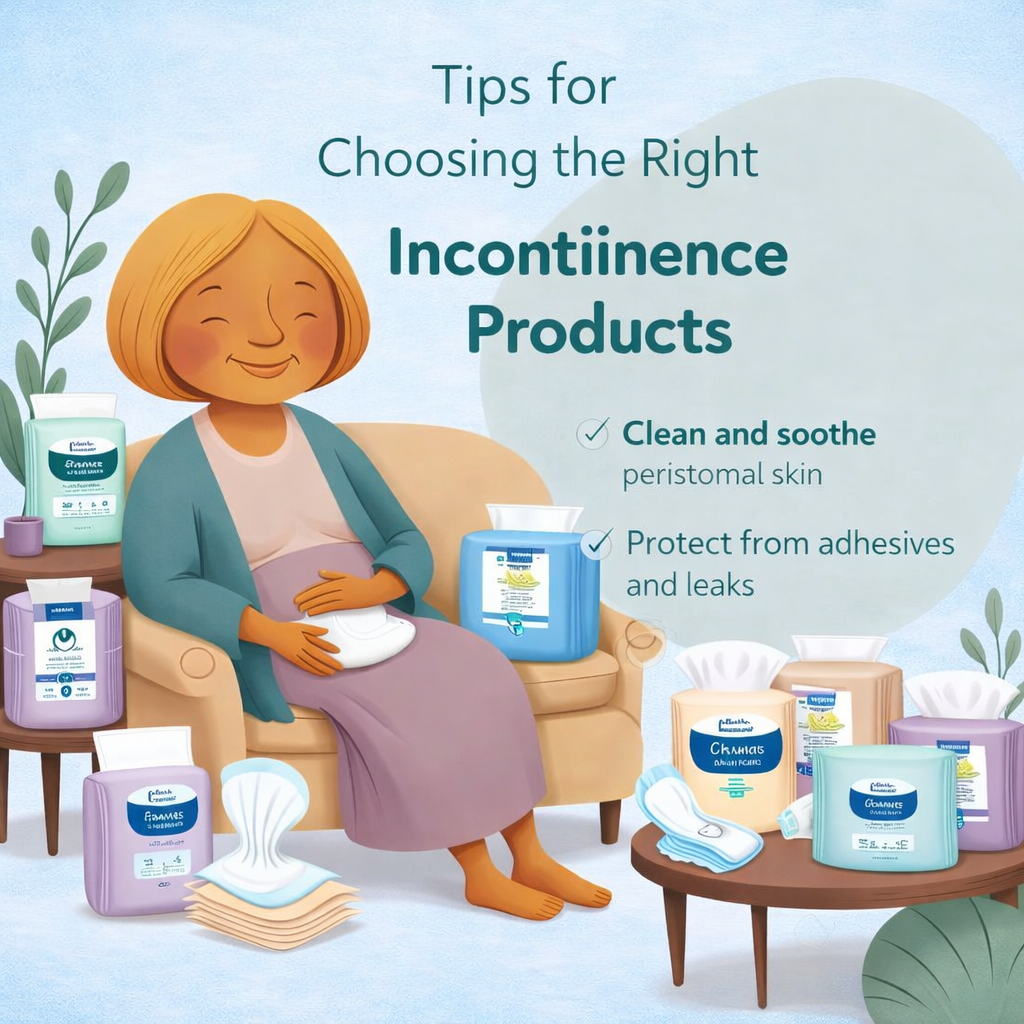
Choosing an incontinence product becomes much easier when you start with four questions: how much leakage occurs, how mobile is the wearer, who performs the changes, and when does protection need to last the longest?
This guide gives a simple framework for choosing the right incontinence products without comparing dozens of items at once.
1. Start with the amount of leakage
- Light leakage: A liner, bladder-control pad, or male guard may be enough.
- Moderate leakage: A higher-capacity pad or pull-up underwear may provide better coverage.
- Heavy leakage: Consider higher-capacity protective underwear or a tab-style brief.
- Bowel incontinence: Choose a product designed for full containment and easy changes.
Browse incontinence pads, male guards, and adult diapers and protective underwear.
2. Match the product to mobility
Mobility often determines which format is easiest to use.
- Independent and mobile: Pull-up underwear can feel familiar and works well for normal toileting.
- Limited mobility: Tab-style briefs can be changed without stepping into the garment.
- Bedbound: Tab briefs are usually easier for caregiver-assisted changes.
See our pull-up vs tab-style comparison.
3. Get the size right before increasing absorbency
Leaks around the legs or waist often come from poor fit rather than insufficient absorbency. Measure waist and hips and check the manufacturer's chart for the exact product.
Use our adult diaper size guide and adult diaper leak troubleshooting guide.
4. Separate daytime and nighttime needs
Some people use one product during the day and a higher-capacity product at night. If nighttime is the main problem, focus specifically on capacity, fit while lying down, and backup bed protection.
See overnight incontinence protection.
5. Use booster pads only when extra capacity is truly needed
A compatible booster pad can add absorbency to a well-fitting brief. It will not fix a product that is the wrong size or poorly positioned.
Read our booster pad guide.
6. Add bed and furniture protection where needed
Underpads can protect beds, chairs, recliners, and wheelchairs. They are especially useful overnight and during caregiver-assisted changes.
7. Include cleansing and skin care in the routine
Incontinence management is not only about the absorbent product. Frequent cleansing and skin protection can matter just as much for comfort.
Browse adult wipes and incontinence skin cleansers and perineal care.
Quick decision guide
| Situation | Good starting point |
|---|---|
| Light bladder leakage | Pad, liner, or male guard |
| Moderate leakage, mobile user | Pull-up underwear |
| Heavy leakage | Higher-capacity pull-up or tab brief |
| Caregiver-assisted changes | Tab-style brief |
| Bedbound user | Tab brief + underpad backup |
| Nighttime saturation | Higher-capacity product; consider compatible booster |
Frequently asked questions
What is the best incontinence product?
There is no single best product. The best choice depends on leakage level, body size, mobility, changing routine, and whether protection is needed mainly during the day or overnight.
Should I start with the highest absorbency?
No. Start with the correct size and a level of absorbency that matches the actual leakage pattern.
Are reusable products better than disposable products?
Each has advantages. Reusable products can reduce waste for some users, while disposables are convenient for travel, caregiver changes, and heavier leakage. Choose based on the person's routine and care needs.
What supplies should a caregiver keep together?
A practical kit may include the correct brief or pad, adult wipes or cleanser, underpads, skin-care products used in the care plan, gloves if needed, and disposal supplies.
Shop by need: Explore AllCareStore's incontinence and toileting collection for pads, briefs, pull-ups, underpads, wipes, and related care supplies.
General information only. New or rapidly worsening incontinence should be discussed with a qualified healthcare professional.