MEDICAL DISCLAIMER: This article is for informational purposes only and should not be used as a substitute for professional medical advice, diagnosis, or treatment. If you experience chronic or severe back pain, please consult your healthcare provider. A mattress topper may help improve sleep comfort but is not a medical treatment for back conditions.
Mattress Toppers for Back Pain: Your Complete 2026 Guide to Sleeping Better
Robert's Story: Three Years of Restless Nights
Robert, 58, was a retired civil engineer who'd spent thirty years hunched over blueprints and computer screens. He'd managed his mild lower back pain reasonably well during his working years — morning stretches, an ergonomic chair, regular walks during lunch. But after retirement, something unexpected happened: his back got worse, not better. Specifically, his sleep got worse.
Every morning, Robert woke up with the same ritual: a slow, painful process of rolling to his side, planting his feet on the floor, and carefully straightening up while his lower back protested with a dull, deep ache. The first thirty minutes of his day were spent shuffling around the house, drinking coffee, and waiting for his back to loosen up enough to feel human again. His wife, Diane, watched this ritual with increasing worry. "It didn't used to be this bad," she told him one morning. "Something changed."
What changed, Robert eventually realized, was their mattress. They'd bought their current mattress fourteen years ago — a reasonable innerspring model that had served them well. But over time, it had lost much of its support, developing an invisible body impression where Robert slept. Every night, he was sinking slightly into a crater that forced his spine into a subtle but persistent misalignment. Eight hours of mild misalignment, multiplied by 365 nights per year, over multiple years: the cumulative effect on his back was significant.
A new mattress was the obvious solution, but Robert had just retired and the couple was being careful about large expenses. At Diane's suggestion, he started researching mattress toppers — something he'd vaguely assumed were just for people who wanted a softer bed. What he discovered was that a quality mattress topper could not only restore the surface support of an aging mattress, but could actually address many of the pressure and alignment issues that cause sleep-related back pain in the first place.
Three months later, after trying a well-reviewed memory foam mattress topper, Robert was waking up with noticeably less pain. The thirty-minute morning shuffle had shortened to five or ten minutes. He was sleeping longer — getting six to seven hours instead of four to five — because he was no longer waking up from discomfort at 3 or 4 AM. "I feel like I got a new mattress," he told Diane, "for a fraction of the price."
This guide is for the many people who, like Robert, are suffering through poor sleep because of back pain — and who are looking for a practical, cost-effective solution that doesn't require replacing an entire mattress. We'll walk you through everything you need to know about mattress toppers for back pain: how they work, what types exist, what features to look for, and how to choose the right one for your specific situation.
The Connection Between Mattress Support and Back Pain
Understanding why a mattress topper can help back pain requires a brief explanation of what causes sleep-related back pain in the first place. The relationship between sleep surfaces and spinal health is more complex than many people realize.
Spinal Alignment During Sleep
When you sleep, your spine needs to remain in a position that mirrors its natural curvature while standing — a gentle S-curve with slight inward curves at the neck and lower back, and a slight outward curve in the middle back. When your sleep surface is too soft, your body sinks into it and your spine falls out of alignment, placing strain on spinal muscles, discs, and ligaments throughout the night. When it's too firm, pressure points at your shoulders and hips push your spine out of alignment in the other direction.
The ideal sleep surface keeps your spine aligned while distributing body weight evenly across the surface, eliminating pressure points that would otherwise cause pain and interrupt sleep. This is the fundamental problem that a well-chosen mattress topper addresses.
How Mattress Toppers Help
A mattress topper sits on top of your existing mattress and modifies its surface feel. Depending on the type and thickness, a topper can:
- Add pressure-relieving cushioning over a too-firm mattress
- Restore support to an aging, sagging mattress
- Create a more conforming surface that fills in the gap between your lower back and the mattress (the "lumbar gap" that many back pain sufferers experience)
- Reduce the motion transfer that disturbs sleep when sharing a bed
- Add a cooling or warming layer for temperature regulation
A mattress topper is not a miracle cure for structural back problems — severe disc herniations, spinal stenosis, or fractures require medical treatment. But for the millions of people whose back pain is related or exacerbated by poor sleep surface support, a well-chosen topper can be a genuinely transformative investment. Browse our beds and bedding collection at AllCare Store for options designed to support better, more comfortable sleep.
Types of Mattress Toppers: A Complete Comparison
Not all mattress toppers are created equal. Different materials offer different properties, and the best choice depends on your specific type of back pain, sleep position, and personal preferences. Here's a detailed comparison of the main options:
Memory Foam Mattress Toppers
Memory foam is the most popular mattress topper material for back pain, and for good reason. Originally developed by NASA in the 1970s, memory foam responds to body heat by softening and conforming to your shape, creating a custom-fitted surface that distributes weight evenly and eliminates pressure points.
How memory foam helps back pain: The conforming nature of memory foam fills in the natural curves of your spine, providing support where standard mattresses leave gaps — particularly at the lumbar region. It also isolates motion, which means partners don't disturb each other with movements during the night.
Types of memory foam toppers:
- Traditional memory foam: Dense, conforming, excellent pressure relief. Can sleep warm because it retains body heat.
- Gel-infused memory foam: Contains gel particles or channels that dissipate heat, addressing the temperature regulation issue of traditional memory foam. Good choice for hot sleepers.
- Open-cell memory foam: Modified structure allows better airflow than traditional memory foam. Cooler sleeping, slightly less conforming.
- Copper-infused memory foam: Claims antimicrobial properties and heat dissipation. Some research supports the antimicrobial claims; cooling benefits are more variable.
Best for: Side and back sleepers, people with pressure point issues, couples (good motion isolation), people whose mattress is too firm.
Limitations: Can sleep warm (especially traditional memory foam), may take time to adjust to the conforming sensation, doesn't add firm support to a sagging mattress.
Latex Mattress Toppers
Natural latex toppers offer responsive, supportive cushioning that bounces back quickly rather than conforming slowly like memory foam. Latex provides a different feeling of pressure relief — less of the "sinking in" sensation, more of a gentle cradling. It's also naturally temperature-neutral and highly durable.
Types of latex toppers:
- Natural latex (Dunlop or Talalay): Made from rubber tree sap. Dunlop is denser and more supportive; Talalay is lighter and softer. Natural latex is hypoallergenic and resistant to dust mites and mold.
- Synthetic latex: Made from petroleum-based products. Less expensive than natural latex but doesn't offer the same durability or breathability.
- Blended latex: Combination of natural and synthetic. A middle ground in price and performance.
Best for: Hot sleepers (latex sleeps cooler than memory foam), people who dislike the slow-response "sinking" feel of memory foam, combination sleepers who move positions frequently, people with latex preferences (note: natural latex is suitable for most people, but latex allergies exist).
Limitations: Heavier than other toppers, more expensive than foam options, natural latex has a distinct smell when new (airs out in a few days to weeks).
Wool and Featherbed Toppers
Wool mattress toppers offer natural temperature regulation (wool insulates in cold weather and wicks moisture in warm weather) and a softening effect. They're not specifically designed for back pain support, but they can improve comfort and sleep quality through temperature regulation and cushioning.
Featherbed toppers (filled with down or down alternative) add a plush, cloud-like softness. They're not appropriate for most back pain sufferers because they don't provide structured support — they simply add softness. However, they can be effective when placed on top of a memory foam or latex topper to add surface softness while the foam/latex layer provides the structural support.
Fiber and Down Alternative Toppers
These toppers are filled with polyester or other synthetic fibers designed to mimic the feel of down. They add softness and a small amount of cushioning but provide minimal therapeutic support for back pain. Best as comfort additions rather than medical solutions.
Egg Crate Foam Toppers
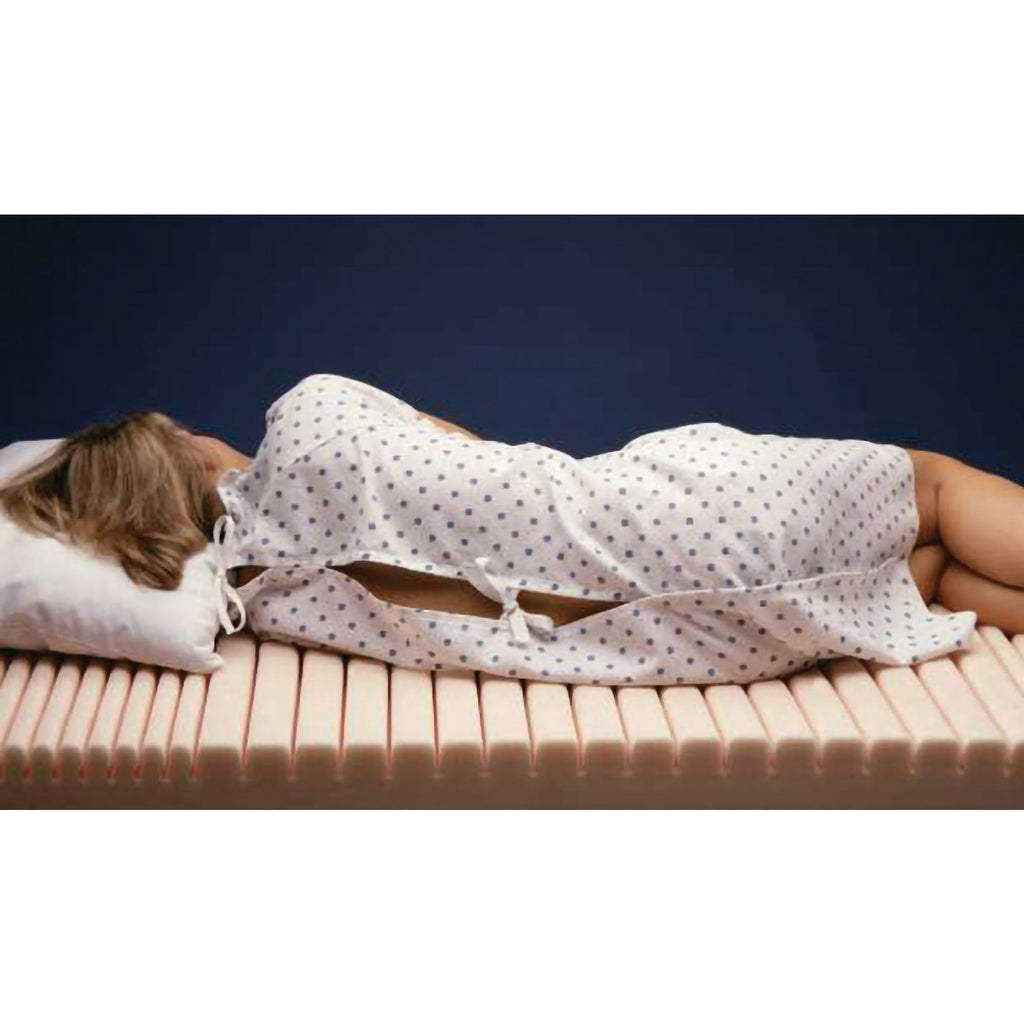
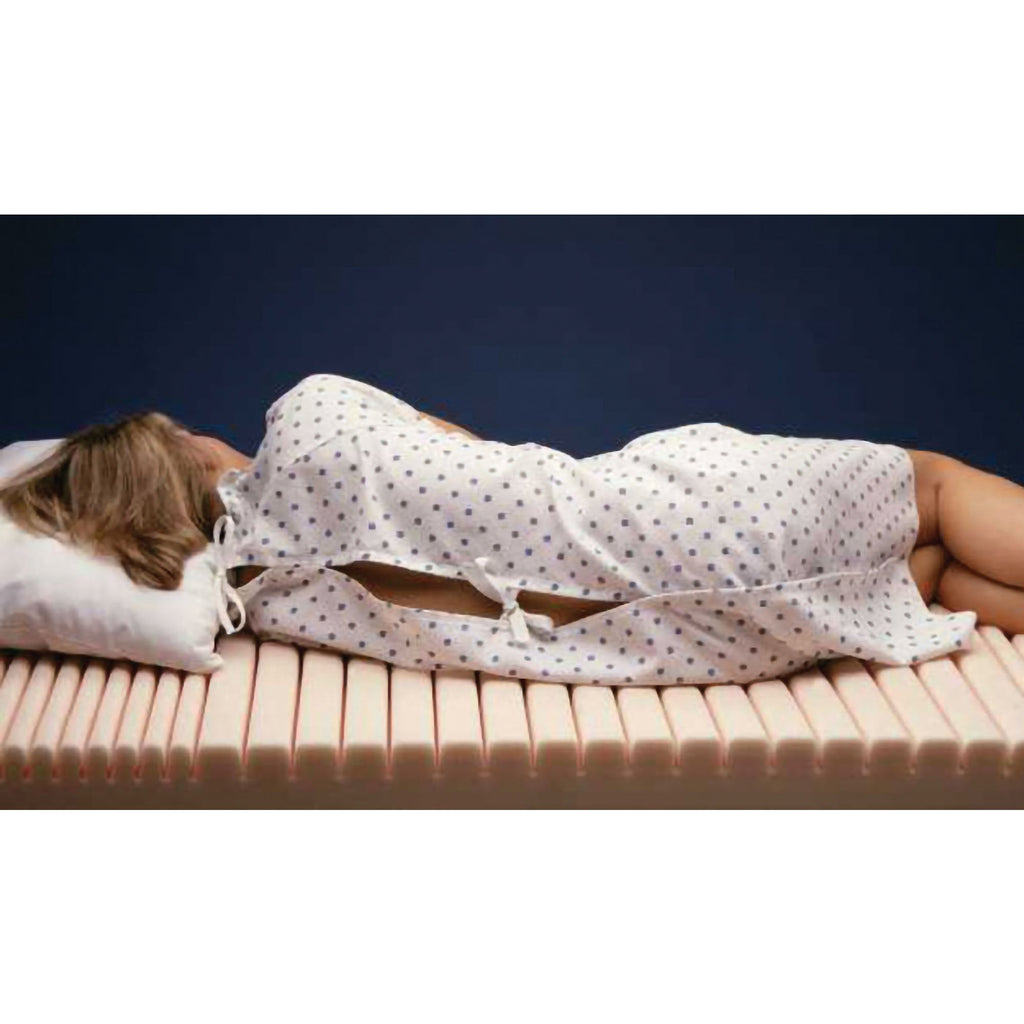
Named for their convoluted, egg-carton-like surface pattern, these foam toppers are inexpensive and provide basic pressure point relief. They're commonly used in hospital beds because they reduce pressure sore risk. While they offer some benefit for pressure point issues, they're thinner and less supportive than solid foam toppers, making them less effective for significant back pain.
Thickness and Firmness: The Critical Variables
Choosing the Right Thickness
Mattress toppers typically range from 1 to 4 inches in thickness. The right thickness depends on your weight, sleep position, and the current condition of your mattress:
- 1-1.5 inches: Light cushioning, best for mattresses that are still in relatively good condition and people who want minimal adjustment. Not sufficient for addressing significant back pain.
- 2 inches: The most popular thickness for general comfort improvement. Provides meaningful pressure relief without dramatically changing the overall feel of the mattress.
- 3 inches: Significant pressure relief and support modification. Best for people with notable back pain, side sleepers who need substantial hip and shoulder cushioning, or heavier individuals. The most therapeutic thickness for most people with sleep-related back pain.
- 4 inches: Maximum cushioning and support. Can effectively transform a very firm or aging mattress. Best for people with chronic back conditions, severe pressure point issues, or very heavy individuals.
Firmness and Your Sleep Position
Your sleep position determines what firmness level will best support your spine:
- Side sleepers generally benefit from softer toppers (3-4 on a 10-point firmness scale). Sleeping on your side creates significant pressure at your shoulder and hip, and a softer surface absorbs this pressure while still supporting your spine.
- Back sleepers typically do best with medium-firm toppers (4-6 on a 10-point scale). A medium-firm surface provides lumbar support while allowing slight contouring for the natural inward curve of the lower back.
- Stomach sleepers need firmer surfaces (5-7 on a 10-point scale) to prevent the hips from sinking, which would arch the lower back and increase pain. Note: stomach sleeping is generally not recommended for back pain sufferers — switching to back or side sleeping is advisable.
- Combination sleepers who change positions during the night do best with medium toppers (4-5) that provide adequate support in multiple positions.
Mattress Topper Comparison: Finding the Right Option for Back Pain
| Topper Type | Pressure Relief | Support Level | Temperature | Durability | Price Range | Best Sleep Positions |
|---|---|---|---|---|---|---|
| Traditional Memory Foam | Excellent | Medium | Warm | 5-8 years | $50-$200 | Side, back |
| Gel Memory Foam | Excellent | Medium | Neutral-cool | 5-8 years | $80-$300 | Side, back, hot sleepers |
| Natural Latex (Talalay) | Very Good | Medium-firm | Cool | 10-15 years | $150-$400 | Back, stomach, combination |
| Natural Latex (Dunlop) | Good | Firm | Cool | 10-20 years | $150-$500 | Back, stomach, heavy sleepers |
| Egg Crate Foam | Moderate | Low | Neutral | 1-3 years | $20-$60 | Side (mild issues only) |
| Wool | Low-Moderate | Low | Temperature-regulating | 5-10 years | $100-$400 | Any (comfort, not therapy) |
| Down/Featherbed | Low | Very Low | Warm | 3-7 years | $50-$300 | Any (softness only) |
Special Considerations for Different Types of Back Pain
Lower Back Pain
Lower back pain is the most common type of sleep-related back pain. The lumbar spine (lower back) has a natural inward curve, and when you lie on your back, there's often a gap between this curve and the mattress surface. A medium-firm memory foam or latex topper helps fill this gap, providing the lumbar support that prevents the muscles in this area from working all night to stabilize the spine.
For lower back pain, a 3-inch medium-firm memory foam or latex topper is generally the best starting point. Back sleepers should also consider placing a pillow under the knees, which reduces pressure on the lumbar spine significantly.
Upper Back and Shoulder Pain
Upper back and shoulder pain while sleeping often indicates too-firm a surface that doesn't absorb pressure at the shoulder joint. Side sleepers with this type of pain typically benefit most from a softer, thicker topper (3-4 inches, soft to medium-soft) that allows the shoulder to sink slightly while maintaining spinal alignment. Memory foam's conforming properties make it particularly effective for this type of pain.
Sciatica and Radiating Leg Pain
Sciatica — pain that radiates from the lower back down through the buttocks and into one or both legs — can be significantly affected by sleep position and surface. For sciatica sufferers, side sleeping with a pillow between the knees is usually the most comfortable position, and a medium-firm topper that doesn't allow the hip to sink excessively is beneficial. Stomach sleeping should be avoided entirely, as it can significantly worsen sciatica symptoms.
Arthritis-Related Back Pain
Arthritis in the spine and hips can make any position uncomfortable, but a pressure-relieving mattress topper can significantly reduce the morning stiffness and pain that arthritis sufferers experience. Memory foam's ability to conform to the body and eliminate point pressure is particularly beneficial. The key for arthritis is finding a topper that's soft enough to relieve pressure but not so soft that it allows the spine to fall out of alignment. Our beds and bedding collection includes options designed to support comfort and rest for people managing chronic pain conditions.
In addition to a quality mattress topper, people managing arthritis-related back pain may benefit from the support and pain management products in our AllCare Store health collection, including joint support supplements and topical pain relief options.
How to Choose the Right Mattress Topper for Your Back Pain
Step 1: Assess Your Current Mattress
The starting point is understanding what's wrong with your current sleep surface. Ask yourself:
- Is your mattress more than 7-8 years old? (Mattresses lose significant support after 7 years)
- Can you feel a body impression or sagging where you sleep?
- Does the mattress feel very firm — noticeably harder than it felt when new?
- Do you wake with pain but feel better after moving around for 30 minutes?
If your mattress is significantly sagging or has lost structural integrity, a topper will provide limited benefit — a sagging base creates a sagging surface regardless of what's on top. Severe mattress deterioration may require replacement. But if your mattress still has reasonable structural integrity and the issue is primarily surface feel — too firm, lacking contouring, or simply lost its original comfort — a topper is likely to be very effective.
Step 2: Identify Your Primary Sleep Position
As detailed in the previous section, your sleep position significantly determines what type and firmness of topper will serve you best. If you sleep in multiple positions, focus on the position you spend the most time in, or choose a medium firmness that works reasonably well across positions.
Step 3: Consider Temperature
Do you sleep hot or cold? Memory foam's heat-trapping properties are a real concern for hot sleepers. If you regularly throw off covers at night, wake up sweating, or live in a warm climate, prioritize gel-infused memory foam or a latex topper over traditional memory foam. Temperature regulation during sleep significantly impacts sleep quality — being too warm is a major cause of sleep disruption.
Step 4: Consider Your Weight
Heavier individuals (generally, 230+ lbs) may find that softer toppers don't provide adequate support, as body weight can compress foam materials beyond their effective range. If you're on the heavier side, opt for denser foam (at least 4 lbs per cubic foot for memory foam) or a firmer latex topper. Thicker toppers (3-4 inches) generally perform better for heavier individuals.
Step 5: Set a Realistic Budget
Quality mattress toppers range from about $50 for basic foam options to $400 or more for premium natural latex. For back pain, this is not an area where cutting corners pays off — a $30 egg crate foam topper is unlikely to provide meaningful therapeutic benefit for chronic back pain. Budget at least $100-200 for a quality memory foam topper in the right thickness, or $200-400 for a premium latex option. Given that a quality topper can last 5-10 years and may prevent the need for a full mattress replacement, the cost-benefit math is usually favorable.
Complementary Products for Better Sleep with Back Pain
A mattress topper addresses your sleep surface, but optimal sleep with back pain often requires a multi-faceted approach. Consider these complementary products and strategies:
Pillows for Spinal Alignment
Your pillow is as important as your mattress for spinal alignment. The goal is to keep your head and neck in neutral alignment with your spine. For back sleepers, a medium-thickness pillow that keeps your head level with your shoulders is ideal. For side sleepers, a thicker pillow that fills the space between your shoulder and your head prevents lateral neck strain. For stomach sleepers (though this position is generally discouraged for back pain), a very flat pillow or no pillow at all reduces strain on the neck.
A knee pillow placed between the knees (for side sleepers) or under the knees (for back sleepers) can significantly reduce lower back strain and is one of the simplest, most effective additions for back pain sufferers.
Sleep Aids and Relaxation Support
For people whose back pain disrupts sleep, addressing the sleep aspect directly can be valuable. Explore our guide to weighted blankets for anxiety and sleep — the gentle pressure of a weighted blanket can help reduce the stress response that makes pain feel worse at night, potentially improving sleep quality independent of mattress surface changes.
Quality sleep aids, from relaxation supplements to white noise machines, can support the sleep improvements made possible by a better mattress surface. Browse our bedding and sleep collection for a range of options to support better rest.
Pain Relief Products
Topical pain relief creams and gels applied to the back before bed can help manage the pain enough to fall asleep more easily, allowing the sleep surface improvements to take effect. Many people find that a combination of a better sleep surface and appropriate pain management creates a significantly better sleep experience than either approach alone. Explore our comprehensive range of pain relief options at AllCare Store.
Setting Up and Caring for Your Mattress Topper
Initial Setup
Most compressed foam toppers arrive rolled in a box and need time to fully expand. Allow at least 24-48 hours for the topper to fully expand to its rated thickness before judging its performance. Memory foam in particular may have a mild off-gassing odor when first unboxed — allow it to air out in a well-ventilated room for 24-48 hours before using it if you're sensitive to smells.
Using a Topper Cover
A high-quality mattress topper cover (protector) is essential for longevity and hygiene. The cover protects the foam from sweat, dust, and spills, which can degrade the material over time. Look for covers that are machine washable, breathable, and fit snugly enough that the topper doesn't shift during the night. Many premium toppers include a fitted cover with elastic straps to keep everything in place.
Rotating Your Topper
Like a mattress itself, a topper benefits from periodic rotation. Most foam toppers can't be flipped (they have a right-side up), but rotating them 180 degrees every 3-6 months distributes wear more evenly and extends the life of the material. This is particularly important if one person sleeps on the same side every night, which concentrates wear in one area.
Cleaning and Maintenance
Most memory foam and latex toppers are not machine washable — the materials are too dense to dry thoroughly, which can lead to mold. Instead:
- Spot-clean stains with a mild detergent and damp cloth
- Allow any wet areas to air dry thoroughly before covering
- Vacuum the surface periodically to remove dust and debris
- Use a waterproof mattress protector to minimize the need for cleaning
- Wash the topper cover regularly (follow manufacturer instructions)
When a Mattress Topper Isn't Enough
A mattress topper is a powerful tool, but it has limitations. In the following situations, a topper may not provide sufficient help:
- Your mattress has significant, visible sagging or a deep body impression — the topper will mirror the sagging surface beneath it
- Your mattress spring system is broken or noticeably uneven — a topper can't fix broken coils
- Your mattress is extremely old (15+ years) and has lost most of its structural integrity
- Your back pain is severe, constant, and associated with numbness, tingling, or weakness — these are medical symptoms requiring physician evaluation
In these cases, a new mattress may be necessary. A mattress topper is most effective as either a performance enhancement for a mattress that still has good structural integrity but needs surface improvement, or as a bridge solution while you save for a full mattress replacement.
Frequently Asked Questions About Mattress Toppers for Back Pain
Can a mattress topper really help back pain?
Yes, a quality mattress topper can significantly help back pain for many people, particularly when the pain is related to sleep surface issues such as improper spinal alignment, pressure point buildup, or an aging, sagging mattress. Research shows that medium-firm sleep surfaces significantly reduce back pain and improve sleep quality compared to firm surfaces. A mattress topper is particularly effective when: your current mattress is too firm, your mattress has lost support over time, or you need improved pressure relief at the hips and shoulders. However, if your back pain is severe, persistent, or accompanied by neurological symptoms (numbness, tingling, weakness), consult a healthcare provider — these can indicate conditions that require medical treatment beyond sleep surface modifications.
How thick should a mattress topper be for back pain?
For back pain, a 3-inch mattress topper is generally the most therapeutic and widely recommended thickness. This thickness provides meaningful pressure relief and support modification without dramatically changing the overall feel of the mattress. Lighter individuals or those with mild back pain may find 2 inches sufficient, while heavier individuals or those with more significant back conditions may benefit from 4 inches. Toppers less than 2 inches thick typically provide insufficient support to meaningfully address back pain.
Is a firm or soft mattress topper better for back pain?
Research and clinical experience consistently support medium-firm as the optimal range for most back pain sufferers — soft enough to relieve pressure points at the hips and shoulders, firm enough to maintain spinal alignment. Sleep position matters significantly: side sleepers generally need softer toppers to cushion the shoulder and hip, while back sleepers need medium-firm support to fill the lumbar gap. Stomach sleepers (though this position is not recommended for back pain) need firmer support to prevent excessive lower back arching. The "harder is better" belief for back pain is a myth — overly firm surfaces can actually worsen pain by creating pressure points and forcing the spine out of its natural alignment.
How long does it take for a mattress topper to help back pain?
Most people notice some improvement in comfort within the first few nights of using a quality mattress topper. However, significant improvement in back pain symptoms — particularly the morning stiffness and pain that most people experience — typically takes 2-4 weeks of consistent sleep on the new surface. This adjustment period is normal: your muscles and spine need time to adapt to improved support, and your body needs several weeks of better sleep to experience the full recuperative benefits. If you notice no improvement after 4-6 weeks, reassess whether the topper type and firmness are appropriate for your specific sleep position and back condition.
How long does a memory foam mattress topper last?
A quality memory foam mattress topper typically lasts 3-5 years with average use, though premium options can last 5-8 years. Longevity depends on foam density (higher density = longer life), usage patterns, weight of sleepers, and care practices. Signs that a topper needs replacement include visible sagging or body impressions that don't bounce back, loss of its original feel and support, persistent odors that don't air out, and return of the sleep quality problems it originally solved. Using a quality mattress protector extends the life of a topper significantly by protecting it from moisture and debris.
Can I use a mattress topper if I have a memory foam mattress?
Yes, you can use a mattress topper on a memory foam mattress, but it's less commonly needed since memory foam mattresses already provide conforming support. The main reasons to add a topper to a memory foam mattress are: the mattress has developed a body impression over time (a topper can partially compensate for this), the mattress sleeps too warm (a cooling latex topper can address this), or the mattress is too soft and needs a firmer surface layer (a firm latex topper can add surface support). If you're adding a topper primarily to address memory foam mattress sagging, know that significant sagging in the base requires replacement, as a topper won't fully compensate for a sagged foam base.
What's the best sleeping position for back pain?
Back sleeping is generally considered the best position for spinal health, as it allows the spine to rest in a neutral position when the surface is appropriate. Placing a pillow under the knees while back sleeping further reduces lumbar pressure and is highly recommended. Side sleeping in the fetal position — knees slightly bent, a pillow between the knees — is also very effective for back pain, particularly for lower back and sciatica issues. Stomach sleeping is generally the worst position for back pain as it forces the neck into rotation and creates an arched position in the lower back; if you're a stomach sleeper, gradually transitioning to side sleeping can significantly improve back pain.
Rest Better, Live Better: Your Next Step
Robert's transformation from three years of painful mornings to waking up feeling rested and ready to start his day didn't require surgery, intensive physical therapy, or even a new mattress. It required understanding the connection between his sleep surface and his back pain, and making an informed, targeted investment in a solution that addressed the root cause of his morning agony.
A quality mattress topper is one of the most cost-effective investments you can make in your sleep and overall health. For the price of a single doctor's visit copay (or less), you can give yourself a sleep surface that actively supports spinal health, reduces pressure point pain, and helps you wake up feeling genuinely rested.
Explore our beds and bedding collection at AllCare Store for quality sleep support products. Whether you're also looking for sleep aids for insomnia to complement your improved sleep surface, or other health and wellness products to support overall well-being, our team is ready to help.
Call us today at 1-888-889-6260 — our knowledgeable team is available to help you find the right products for your specific needs. We're proud to offer free shipping on qualifying orders, discreet packaging for your privacy, and a 30-day return policy so you can shop with complete confidence.
Better sleep is within reach. Your back — and the rest of your body — will thank you.
Visit AllCareStore.com to explore our complete range of health, wellness, and comfort products for better living.
Medical Disclaimer: This article is for informational purposes only and does not constitute medical advice. Individuals at high risk for pressure injuries should consult a physician, occupational therapist, or certified rehabilitation engineer before selecting a wheelchair cushion.