MEDICAL DISCLAIMER: This article is for informational purposes only and is not a substitute for professional medical advice, diagnosis, or treatment. Omega-3 supplements may interact with blood thinners and other medications. Always consult your physician or pharmacist before beginning any new supplement, particularly if you have a cardiovascular condition, bleeding disorder, or are taking prescription medications.
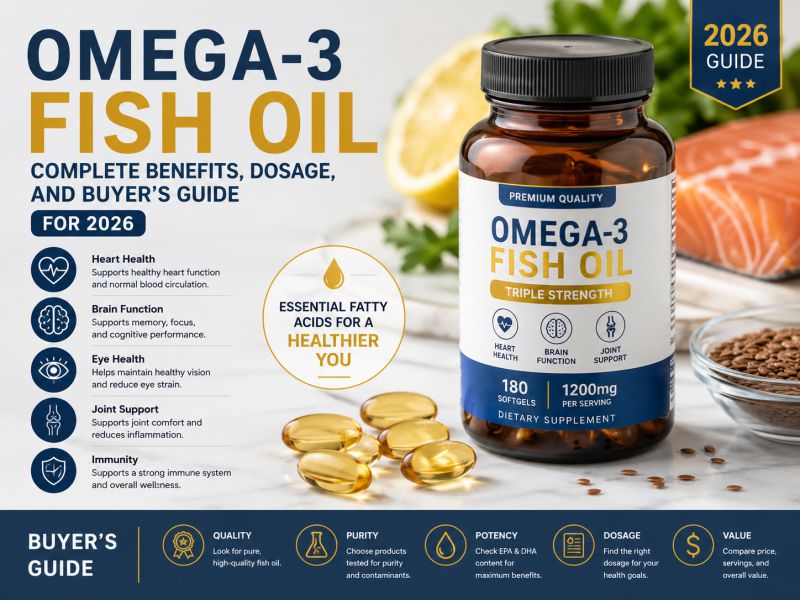
Omega-3 Fish Oil: Your Complete Benefits, Dosage, and Buyer's Guide for 2026

Helen's Story: The Supplement Her Doctor Recommended First
Helen, 67, had always been skeptical of supplements. She'd watched her mother-in-law accumulate a cabinet full of capsules and powders over the years, and she had silently promised herself she'd never do the same. So when her cardiologist mentioned omega-3 fish oil at her annual checkup — suggesting she consider adding it to her daily routine alongside her statin — she had arrived home with the same polite skepticism she brought to most new suggestions.
Her husband Frank had different instincts. He drove to the pharmacy that afternoon, bought a bottle of fish oil capsules, and placed them next to her morning vitamins without comment. Helen started taking them mostly to avoid the conversation about why she hadn't.
Six months later, her follow-up labs came back. Her triglycerides, which had been modestly elevated for years, had dropped by thirty-one percent. Her cardiologist was pleased. Helen was more than pleased — she was curious. She started reading. She called her daughter, who was a nurse, and asked what else fish oil was actually good for.
"The list is long," her daughter told her. "But the evidence for triglycerides and inflammation is really solid. You picked the right supplement to start with."
Helen now takes two grams of EPA+DHA per day and has no intention of stopping. She also, gently, installed a small cabinet in the bathroom. Not a large one. Just enough for the essentials.
Her story is representative of millions of Americans who come to omega-3 fish oil through a physician's recommendation and stay because the science holds up. This guide explains what that science actually says — and helps you choose wisely if you're considering fish oil for the first time or wondering whether the bottle on your shelf is actually doing its job.
What Are Omega-3 Fatty Acids?
Omega-3 fatty acids are a family of polyunsaturated fats that the human body cannot synthesize on its own — they must be obtained through food or supplementation. The three most important types are:
- EPA (eicosapentaenoic acid): Found primarily in fatty fish and fish oil. EPA has particularly well-documented effects on inflammation and cardiovascular markers, including triglycerides.
- DHA (docosahexaenoic acid): Also found in fatty fish and fish oil, and also highly concentrated in brain tissue and the retina. DHA is critical for brain development in infants and appears important for cognitive function and eye health throughout life.
- ALA (alpha-linolenic acid): Found in plant sources — flaxseed, chia seeds, walnuts, canola oil. ALA is an omega-3, but the body converts it to EPA and DHA inefficiently (less than 10% conversion in most adults). Plant-based omega-3 supplements are not equivalent to fish oil for most health outcomes studied.
When doctors and researchers talk about omega-3 benefits, they are almost always referring to EPA and DHA — the forms found in fish oil and algae oil. This distinction matters when choosing a supplement.
Proven Health Benefits of Omega-3 Fish Oil
1. Cardiovascular Health: Triglycerides
The strongest and most consistent evidence for fish oil is its effect on triglycerides — a type of fat in the bloodstream that, at elevated levels, is associated with increased cardiovascular risk. High-dose prescription omega-3 medications (like Vascepa and Lovaza) are FDA-approved specifically to reduce severely elevated triglycerides. Supplemental fish oil at doses of 2–4 grams of EPA+DHA per day has been shown to reduce triglyceride levels by 20–50% in numerous clinical studies.
The effect is dose-dependent: higher doses produce greater reductions. For individuals with borderline or moderately elevated triglycerides, a quality over-the-counter fish oil supplement at 2–3 grams per day may be a meaningful intervention — but always in consultation with your physician, especially if you are also taking a statin.
2. Inflammation Reduction
Omega-3 fatty acids compete with omega-6 fatty acids in the body's inflammatory pathways. The modern Western diet is heavily weighted toward omega-6 (found in vegetable oils, processed foods), which promotes an inflammatory state. Increasing EPA and DHA intake shifts this balance toward a less inflammatory environment at the cellular level.
Clinically, this translates to measurable reductions in inflammatory markers like CRP (C-reactive protein) and IL-6 in multiple studies. Anti-inflammatory effects are relevant for a wide range of conditions — cardiovascular disease, metabolic syndrome, autoimmune conditions, and chronic pain.
3. Joint Health and Arthritis
Multiple clinical trials have found that fish oil supplementation reduces morning stiffness and joint tenderness in people with rheumatoid arthritis, and that some patients are able to reduce their NSAID dosage while taking fish oil. The effect is modest but consistent and well-tolerated. For osteoarthritis, the evidence is less definitive, though some studies show reduced pain scores.
For those managing joint discomfort, omega-3 may complement other approaches. See also our guide to pain relievers and our physical therapy resistance bands guide for a broader picture of joint care options.
4. Brain Health and Cognitive Function
DHA is one of the most abundant fatty acids in the brain, comprising approximately 30–40% of fatty acids in the cerebral cortex. Adequate DHA intake is associated with better cognitive performance across the lifespan, and observational data links higher fish consumption and blood DHA levels to lower rates of cognitive decline and Alzheimer's disease.
Whether supplemental DHA can reverse or significantly slow cognitive decline once it has started remains an active area of research, with mixed results from clinical trials. The most consistent evidence is for prevention and maintenance — keeping DHA levels adequate throughout life rather than supplementing after decline begins.
5. Eye Health
DHA is also highly concentrated in the retina. There is evidence linking omega-3 intake to reduced risk of age-related macular degeneration (AMD), the leading cause of vision loss in adults over 60. The AREDS2 study, which evaluated the effect of supplements on AMD progression, found some benefit from adding omega-3 to antioxidant supplement combinations in certain patient populations.
6. Mental Health: Depression and Anxiety
A growing body of research suggests a relationship between omega-3 status and mood disorders. Meta-analyses of clinical trials have found that fish oil supplementation, particularly formulations higher in EPA than DHA, modestly reduces depressive symptoms — with the strongest effects in people with clinical depression and elevated inflammatory markers. Fish oil is not a substitute for evidence-based treatment, but it may be a useful adjunct, especially for individuals who are already motivated to address lifestyle factors.
7. Pregnancy and Infant Development
DHA is essential for fetal brain and retinal development, and inadequate DHA intake during pregnancy is associated with developmental delays. Most prenatal vitamins contain some DHA, but many experts suggest a dedicated omega-3 supplement for pregnant women. The American College of Obstetricians and Gynecologists recommends that pregnant and breastfeeding women consume at least 200mg of DHA per day. See our guide to prenatal vitamins for 2026 for more on nutrition during pregnancy.
8. Skin Health
The anti-inflammatory properties of EPA are relevant to a range of inflammatory skin conditions, including psoriasis and eczema. Research has found that fish oil supplementation reduces the severity of psoriatic plaques and improves skin hydration. It is not a first-line treatment, but may complement medical therapy. Read our eczema treatment guide for a more complete picture of skin care options.
How Much Omega-3 Should You Take?
Dosage recommendations for omega-3 vary by the purpose of supplementation. The key metric is combined EPA + DHA content — not total fish oil content. A 1,000mg fish oil capsule may contain only 300mg of EPA+DHA. Always read the supplement facts panel for the actual EPA and DHA amounts, not just the "fish oil" total.
| Purpose | Recommended EPA+DHA (Daily) | Notes |
|---|---|---|
| General wellness / maintenance | 500mg–1,000mg | 1–2 standard capsules/day |
| Cardiovascular support | 1,000mg–2,000mg | AHA recommendation for heart disease |
| Triglyceride reduction | 2,000mg–4,000mg | Higher doses; physician supervision recommended |
| Rheumatoid arthritis / inflammation | 2,000mg–3,000mg | Higher EPA formulations preferred |
| Pregnancy (DHA) | 200mg–300mg DHA minimum | Often included in prenatal vitamins |
| Depression (adjunct) | 1,000mg–2,000mg EPA-dominant | EPA formulations (EPA > DHA) preferred |
The FDA considers omega-3 fatty acids to be generally safe at intakes up to 3,000mg of EPA+DHA per day from supplements, and doses up to 5,000mg may be used under physician supervision. At high doses, fish oil has blood-thinning effects — consult your doctor before exceeding 3,000mg daily or if you take any anticoagulant or antiplatelet medication.
How to Choose a Quality Fish Oil Supplement
The supplement market is unregulated in the United States, and not all fish oil supplements deliver what they promise. Here's how to evaluate quality.
Check EPA and DHA Content
Look at the supplement facts panel, not the front-of-label marketing. A product labeled "1000mg Omega-3" may contain only 180mg EPA + 120mg DHA = 300mg actual omega-3. A higher-concentration product labeled "600mg EPA + 400mg DHA per softgel" delivers more than three times the active ingredients per capsule. Compare EPA+DHA per capsule and per dollar, not total fish oil per capsule.
Look for Third-Party Testing
Fish oil can be contaminated with heavy metals (mercury, PCBs) or become oxidized (rancid). Look for products verified by NSF International, USP, ConsumerLab, or IFOS (International Fish Oil Standards). These independent certifications verify that the product contains what it claims and is free of contaminants at acceptable levels.
Form: Ethyl Ester vs. Triglyceride
Fish oil is sold in two molecular forms. Triglyceride (TG) form — the form found naturally in fish — is absorbed approximately 70% better than ethyl ester (EE) form according to most pharmacokinetic studies. Ethyl ester form is cheaper to produce and is found in many standard fish oil supplements; triglyceride form is more expensive. If cost allows, choose triglyceride form, and take all fish oil supplements with a fatty meal to enhance absorption.
Freshness: Check Oxidation
Oxidized (rancid) fish oil smells strongly of fish and has reduced effectiveness. Open a capsule — it should have a mild, marine smell, not a strong fishy or "off" odor. Purchase from reputable brands with reasonable turnover, store in a cool, dark place (many people refrigerate fish oil), and don't use supplements past their expiration date. Enteric-coated or flavored capsules can mask rancidity — be cautious.
Concentration: How Many Capsules Per Day?
Standard fish oil (approximately 30% omega-3) requires 4–6 capsules per day to reach therapeutic doses for triglyceride reduction. Concentrated omega-3 supplements (60–80% omega-3) achieve the same dose in 1–2 capsules. If you're targeting a specific therapeutic dose, concentrated formulations are worth the slightly higher price — compliance is far better with one or two capsules than with six.
Fish Oil vs. Algae Oil: What's the Difference?
Fish get their omega-3 from eating microalgae. Algae oil supplements skip the fish entirely and go directly to the source. Algae oil provides EPA and/or DHA and is particularly rich in DHA. It is a good option for vegetarians, vegans, and people with fish allergies. Absorption is comparable to fish oil. The main drawback is cost — algae oil is typically 2–3 times more expensive per milligram of EPA+DHA.
For people who follow a plant-based diet or can't tolerate fish-derived supplements, algae oil is an excellent and direct alternative. ALA from flaxseed or chia is not a reliable substitute for EPA/DHA.
Side Effects and Who Should Be Cautious
Fish oil is well tolerated by most people. Common minor side effects include:
- Fishy aftertaste or breath (reduced by enteric-coated capsules, refrigerating the oil, or taking with a meal)
- Mild gastrointestinal discomfort, loose stools, or nausea at higher doses
- Burping ("fish burps") — minimized by the same strategies
More serious considerations include:
- Blood thinning: At doses above 3,000mg EPA+DHA daily, fish oil has antiplatelet effects. This is generally safe but becomes relevant if you take warfarin, aspirin, clopidogrel, or other blood thinners. Discuss with your physician before exceeding 2–3 grams/day if you take any anticoagulant.
- Fish or shellfish allergy: Most fish oil is derived from fish. People with severe fish allergies should use algae-derived EPA/DHA instead.
- Pre-surgery: Some surgeons ask patients to stop fish oil 1–2 weeks before surgery due to blood-thinning effects.
- Atrial fibrillation: Some large trials have raised questions about whether very high-dose EPA-only supplementation (4,000mg) may modestly increase AFib risk. This concern applies primarily to high-dose pharmaceutical omega-3 products, not standard supplemental doses. Discuss with your cardiologist if you have a history of AFib.
Omega-3 and Other Nutrients: What Works Together
Omega-3 fish oil is often taken alongside other heart and wellness supplements. Here's how it interacts with common companions:
- Vitamin D: Often taken together; both are fat-soluble and absorbed better with a fatty meal. No interaction. See our vitamin D guide for seniors.
- Magnesium: Also commonly taken for cardiovascular and muscle health; no interaction. See our magnesium guide.
- Statins: Fish oil and statins work by different mechanisms and are often prescribed together for elevated triglycerides. No pharmacological interaction, but inform your prescriber of all supplements.
- Vitamin E: Some fish oil products include vitamin E as an antioxidant preservative to prevent rancidity. This is beneficial. High-dose vitamin E supplementation (above 400 IU) has its own risk profile and is not routinely recommended.
- Blood thinners: See caution above. Always disclose fish oil supplementation to your healthcare provider if you take any blood-thinning medication.
Food Sources of Omega-3: Getting It Through Diet
The ideal way to get omega-3 is through food — and for most people, dietary sources should be the foundation, with supplementation filling the gap when dietary intake is inadequate.
The American Heart Association recommends eating fatty fish at least twice per week. Foods richest in EPA and DHA include salmon, mackerel, sardines, herring, anchovies, and rainbow trout. A 3-ounce serving of Atlantic salmon provides approximately 1,800–2,200mg of EPA+DHA — more than most standard fish oil supplements deliver per day.
If you eat fatty fish twice weekly, you may need only a low-dose maintenance supplement. If you rarely eat fish, a therapeutic supplement dose is more likely to be warranted.
Omega-3 for Seniors: A Special Note
For adults over 60, omega-3 fish oil is one of the most evidence-supported supplements available. Age-related changes in lipid metabolism, inflammation, cognitive function, and joint health all represent potential areas of benefit. Seniors are also more likely to be on multiple medications — making the conversation with a physician before starting fish oil especially important, but no less worthwhile.
Key considerations for older adults: start at a lower dose and increase gradually to assess tolerance; choose concentrated formulations to minimize the number of capsules; take with a substantial meal to optimize absorption and minimize GI side effects; refrigerate to preserve freshness; and recheck triglycerides and other relevant labs at 3–6 months to assess response.
Frequently Asked Questions
How long does it take for fish oil to work?
Triglyceride reduction is typically evident within 4–8 weeks at therapeutic doses. Anti-inflammatory effects may take 6–12 weeks. Brain and mood effects, if present, generally take 8–12 weeks of consistent daily supplementation. Fish oil is a long-term supplement, not a rapid-acting remedy.
Should I take fish oil in the morning or at night?
Take fish oil with your largest meal of the day — the presence of dietary fat significantly improves absorption of omega-3 fatty acids. Morning, noon, or evening makes no difference; consistency and meal timing matter more.
Can fish oil cause weight gain?
No. Fish oil has not been shown to cause weight gain. Omega-3 fatty acids are caloric (9 calories per gram of fat), but the amounts in supplement doses are negligible — a 1,000mg capsule contains roughly 9 calories, most of which are from fat. The long-term evidence actually suggests omega-3 has modest metabolically favorable effects.
Is fish oil safe for children?
DHA is important for children's brain and visual development. Many pediatric formulations exist. DHA from breast milk (or formula) is the primary source in infancy. For children beyond infancy, fish consumption and age-appropriate supplements are the usual recommendations. Always consult a pediatrician before giving supplements to young children.
Does fish oil help with dry eyes?
Some studies support an association between omega-3 intake and reduced dry eye symptoms, while others (including the DREAM study) found no benefit over placebo for clinical dry eye. The evidence is mixed. Fish oil is unlikely to hurt, but should not replace prescribed dry eye treatment.
What's the difference between fish oil and cod liver oil?
Cod liver oil comes from the liver of codfish and contains EPA and DHA, but also high levels of vitamins A and D. Fish body oil (standard fish oil) comes from the muscle tissue of oily fish and contains EPA and DHA without the vitamins A and D. At high doses, cod liver oil can deliver excessive amounts of preformed vitamin A, which is toxic in excess. Standard fish oil is generally preferred for therapeutic omega-3 supplementation.
Shop Vitamins and Supplements at AllCare Store
At AllCare Store, we carry a full range of vitamins, supplements, and wellness products for every age and health goal. Explore our vitamins and supplements collection for omega-3, vitamin D, magnesium, probiotics, collagen, and more from trusted brands. When you order from us, you receive:
- Free shipping on qualifying orders nationwide.
- Discreet packaging for your privacy.
- 30-day returns for peace of mind.
- Real help: call 1-888-889-6260 to speak with a product specialist.
For related reading, see our guides on vitamin C and immune support, collagen supplements, probiotics for digestive health, and turmeric and curcumin for inflammation.
The Bottom Line
Helen's triglycerides came down 31% in six months from a supplement that costs about thirty cents a day. She didn't need a dramatic intervention or an expensive procedure. She needed the right information, a willing cardiologist, and a husband who quietly put the bottle next to her morning vitamins.
Omega-3 fish oil is not a miracle supplement. It won't fix every problem, and it is not right for every person at every dose. But for the specific outcomes where the evidence is strong — triglycerides, inflammation, joint comfort, brain and eye health — it is among the best-studied, best-tolerated, and most cost-effective supplements available. If your doctor has mentioned it, take that suggestion seriously. If you haven't talked about it yet, it's worth bringing up at your next visit.
The cabinet doesn't have to be large. Just the essentials — well chosen and consistently taken.
Call 1-888-889-6260 or visit AllCareStore.com for supplements, home health products, and more. Free shipping, discreet packaging, 30-day returns on every order.
This guide was prepared by the AllCare Store editorial team. For personalized supplement recommendations, consult your physician, pharmacist, or registered dietitian.
Medical Disclaimer: This article is for informational purposes only and does not constitute medical advice. Individuals at high risk for pressure injuries should consult a physician, occupational therapist, or certified rehabilitation engineer before selecting a wheelchair cushion.